Hello, this is Shiba Koen/Mita SACHI Dental Clinic.
Do you experience a sharp “zing” in your teeth when you drink something cold, eat something sweet, or brush your teeth each day? Tooth sensitivity can have many causes, ranging from temporary dentin hypersensitivity to conditions that require treatment, such as advanced cavities.
Main Causes of Tooth Sensitivity
Behind the symptom of “sensitivity” may be various oral problems.
- Dentin hypersensitivity (dentin hypersensitivity)
This occurs when the enamel covering the tooth surface becomes thinner, or when the gums (gingiva) recede and the underlying dentin is exposed, making it easier for stimuli to reach the nerves.
* Main factors: brushing too hard, teeth grinding/clenching, excessive intake of highly acidic foods and drinks (acid erosion), age-related gum recession, and temporary sensitivity after whitening. - Cavities (dental caries)
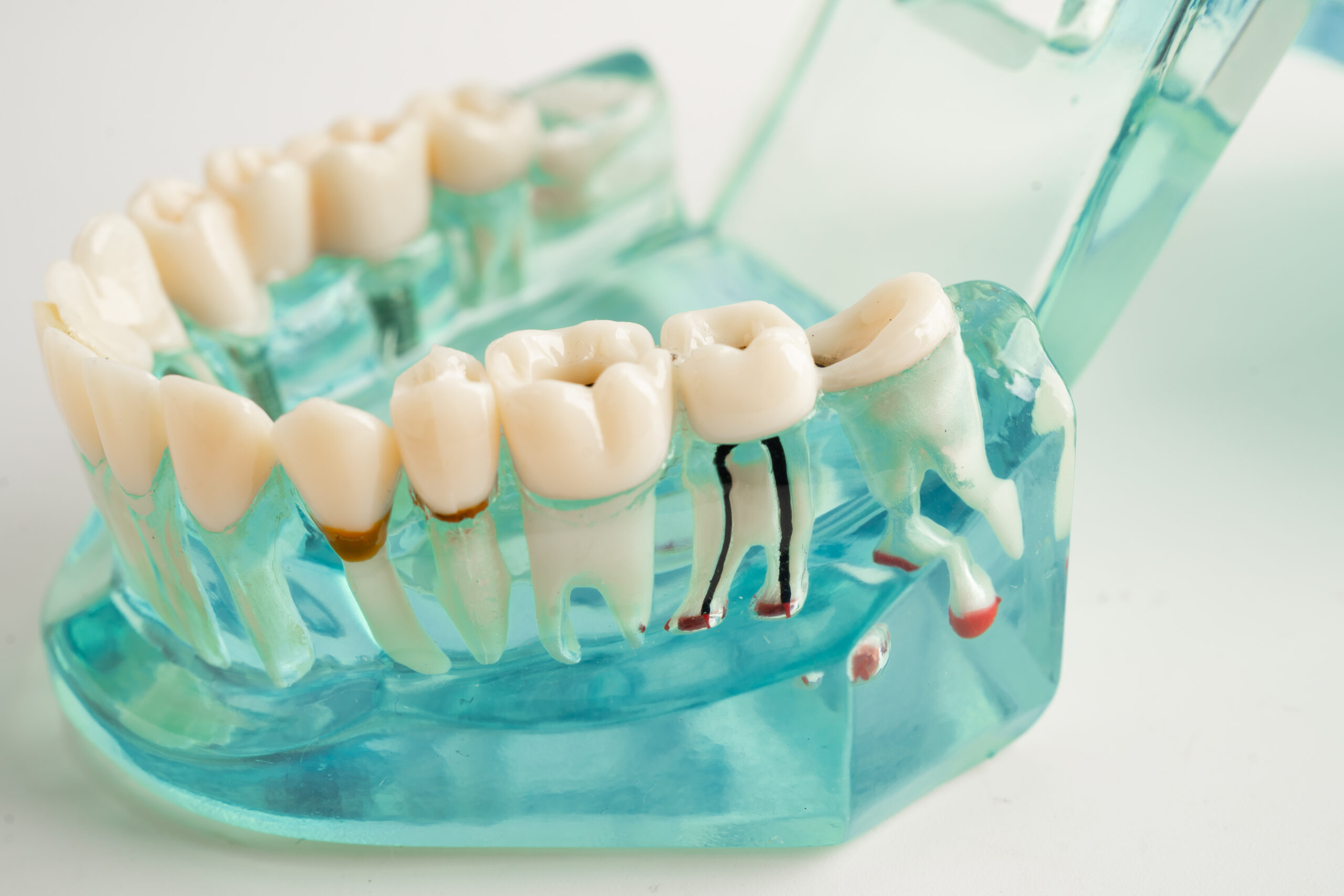
In the early stages of cavities, symptoms such as sensitivity to cold are more likely to appear. As the condition progresses, you may also feel pain from warm foods and drinks, so early treatment is important. - Cracks in the teeth (microcracks)
Unconscious grinding or strong clenching can cause tiny, invisible cracks on the tooth surface, which may allow stimuli to travel through and lead to sensitivity. - Deterioration of fillings and crowns (prosthetic restorations)
When fillings or crowns placed in the past deteriorate over time, small gaps can form between the restoration and your natural tooth. This may transmit stimuli and can also lead to secondary cavities.
At-Home Self-Care for Tooth Sensitivity
To help ease symptoms and prevent them from worsening, proper daily home care is essential.
- Brush with appropriate pressure Using a toothbrush that is too hard or brushing with excessive force can wear down enamel and contribute to gum recession. Use a soft-to-medium toothbrush and aim to brush gently and carefully.
- Use toothpaste for sensitive teeth Continuing to use toothpaste containing active ingredients that help prevent sensitivity (such as potassium nitrate and aluminum lactate) may help relieve symptoms. To keep the ingredients in the mouth, it is effective to rinse only once with a small amount of water after brushing.
- Manage acidic foods and drinks Frequent intake of carbonated beverages, sports drinks, citrus fruits, and similar items can make the tooth surface more likely to dissolve. After consuming them, it is recommended to rinse your mouth with water to avoid keeping acid in the mouth for long periods.
Professional Treatments and Approaches at the Dental Clinic
Based on a thorough examination and diagnosis in advance, we identify the underlying cause of your symptoms and propose the most suitable treatment plan for each individual patient.
- Application of a desensitizing agent
- Strengthening tooth structure with fluoride application
- Composite resin restoration for exposed dentin
- Precise retreatment of deteriorated fillings and crowns
- Cavity treatment
- Fabrication of a night guard (mouthpiece) for use during sleep
Please do not leave it as “just a little sensitivity”—consult us first Tooth sensitivity is not only caused by hypersensitivity; it can also be a sign of conditions that require prompt treatment, such as cavities or tooth fractures.
In particular, many people with habits such as teeth grinding or clenching—often difficult to notice on your own—may be placing a significant burden on their teeth without realizing it.
If you experience recurring sensitivity or have previously been told that your teeth are worn down, please feel free to consult us. We can also discuss protecting your teeth with a night guard.

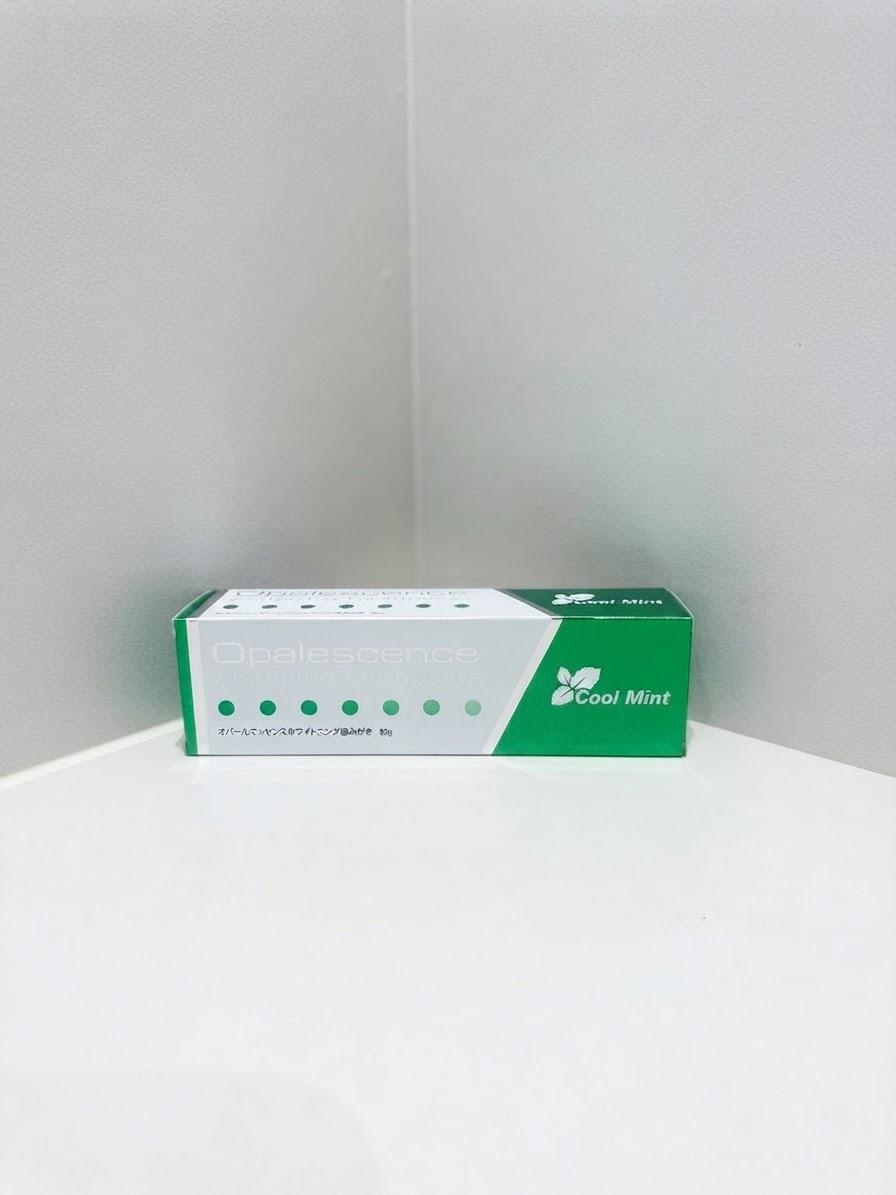
![[For Post-Whitening Care] Opalescence: Maintaining Whiteness and Preventing Sensitivity](https://sachi-dent.com/wp-content/uploads/2026/08/Brighten_and_enhance_this_photograph_of_an_Opalesc-1788170989744-500x383.png)