Hello, this is Shiba Koen/Mita SACHI Dental Clinic.
Have you ever wondered, “How many teeth do I need to chew food properly?”
Excluding wisdom teeth, adults normally have 28 teeth in total, upper and lower. Front teeth bite off food, and back teeth grind it into small pieces. Each tooth has its own role, and all of them work together when you chew.
For this reason, the more teeth you lose to cavities or gum disease, the more your chewing ability generally declines. In this article, we explain how the number of teeth relates to chewing ability, and the risks of leaving a missing tooth untreated.
Why does losing teeth make chewing harder? The risks of leaving it untreated
Losing a tooth does not simply mean fewer places to chew. It upsets the balance of the whole mouth and creates a range of risks.
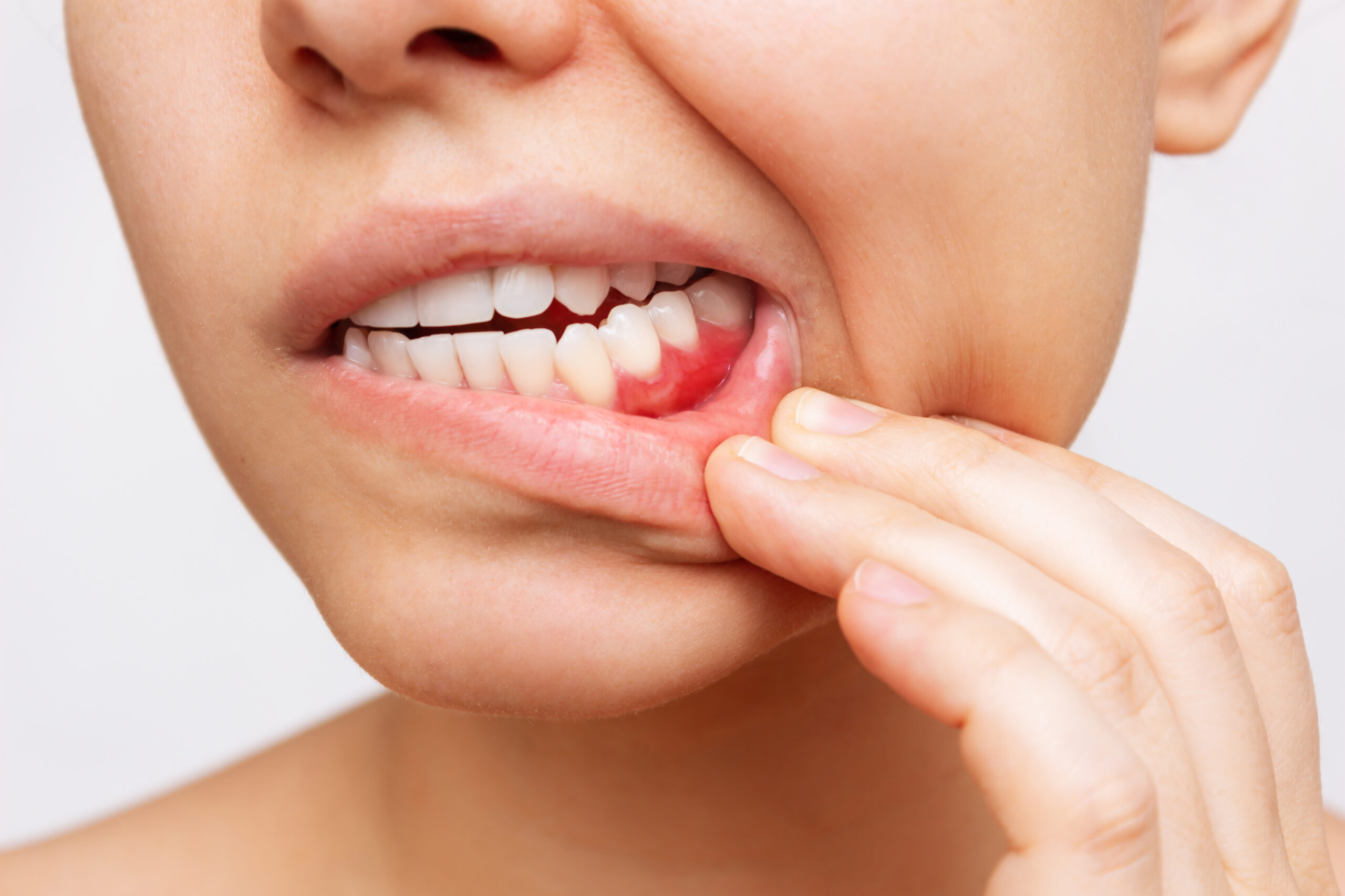
- Surrounding teeth start to move: If the gap is left as it is, the neighboring teeth can tilt into it, and the opposing tooth (for example, the lower tooth when an upper tooth is lost) can grow out of position. This changes your overall bite.
- Remaining teeth wear out faster: Chewing forces concentrate on the other teeth, putting excessive strain on healthy ones. This can cause teeth to wear down or chip, and can make gum disease worsen rapidly.
- Hard and fibrous foods become difficult to eat: Back teeth play an especially important role in grinding food. Without them, meat, root vegetables and other hard or fibrous foods become hard to chew, which limits what you can eat every day.
Not being able to chew is not just a problem for your mouth
A decline in chewing ability also has a major impact on your overall health.
- 1. Strain on the stomach and an unbalanced diet
Swallowing food that has not been ground finely enough puts strain on the stomach and intestines. People also tend to choose soft, easy-to-chew foods such as carbohydrates and avoid meat and vegetables, which makes the diet unbalanced. - 2. Less saliva
Chewing well stimulates saliva. When you chew less, saliva decreases. This raises the risk of cavities and gum disease, and makes the mouth more likely to feel dry. - 3. Less stimulation for the brain
Chewing improves blood flow to the brain and gives it healthy stimulation. A decline in chewing function is said to affect overall vitality and health.
Especially as we get older, the number of teeth and chewing function are directly linked to how much we eat, our nutrition and our overall physical health, including frailty prevention. That is why keeping your teeth for as long as possible is so important.
Three treatments to replace missing teeth
Chewing function is not as simple as “you are fine as long as you have X teeth left.” It depends greatly on where the remaining teeth are, how stable your bite is, and the health of your teeth and gums.
If you lose a tooth, do not leave it as it is. Depending on your condition, we replace the missing part with one of the following treatments.
- Bridge: The teeth on both sides of the gap are prepared as supports, and an artificial tooth is attached across them like a bridge.
- Dentures: Removable artificial teeth. We can provide anything from partial dentures to full dentures.
- Implants: An artificial root, made of titanium or a similar material, is placed in the jawbone and an artificial tooth is attached on top. (Self-pay treatment, not covered by insurance.)
To keep enjoying meals with your own teeth
Please do not leave it untreated, thinking “It’s only one back tooth” or “No one can see it.” It is important to have the balance of your whole mouth checked and to get treatment early.
Above all, the most important thing is to prevent losing any more of the teeth you have now. To keep enjoying delicious meals with your own teeth, please come in for regular checkups and cleanings, even if you have no symptoms of cavities or gum disease.
If you feel that hard foods have become harder to chew, or want to know which treatment suits you, please feel free to talk to our staff or dentists. We look forward to seeing you.