
Pediatric Dentistry
Publication Date:
Last Updated:
- For your child’s healthy growth
Pediatric Dentistry at SACHI Dental Clinic in Mita and Shiba Park - Dental Treatment Tailored to your Child’s Growth
- Common Concerns in Pediatric Dentistry and Their Solutions
- Frequently Asked Questions (FAQ)
- View Other Treatment Options
For Your Child’s Healthy Growth
Pediatric Dentistry at SACHI Dental Clinic in Mita and Shibakoen
Your child’s dental health is the foundation for lifelong health. Baby teeth are more prone to cavities than permanent teeth, and decay progresses faster, so care from an early age is very important. At SACHI Dental Clinic, we provide prevention and treatment suited to your child’s development and support their healthy growth.
Dental Care Tailored to Your Child’s Growth

Children’s teeth change from baby teeth to permanent teeth, and their jawbones continue to grow. As a result, the condition of the mouth changes greatly with age. For these reasons, pediatric dentistry must provide treatment and prevention suited to each child’s stage of development.
The Role of Baby Teeth
Baby teeth not only allow children to chew food but also play an important role as guides for the permanent teeth to come in correctly. They also affect proper pronunciation and the growth of the jawbone. If baby teeth develop cavities, they can not only cause pain but may also negatively affect the alignment of the permanent teeth and overall oral health.
Baby Teeth Are Prone to Cavities
Compared with permanent teeth, baby teeth have thinner enamel and dentin, and the tooth structure is weaker. As a result, they are more prone to cavities, and decay tends to progress faster. In addition, leaving cavities in baby teeth untreated can negatively affect the permanent teeth that come in later.
The main reasons baby teeth are prone to cavities are as follows:
- The enamel of baby teeth is less mineralized and less resistant to acid
- The enamel and dentin are thin, so decay progresses easily
- Baby teeth have deep grooves where buildup easily collects
- Children tend to like sweet foods, which increases the risk of cavities
Common Concerns in Pediatric Dentistry and How We Address Them
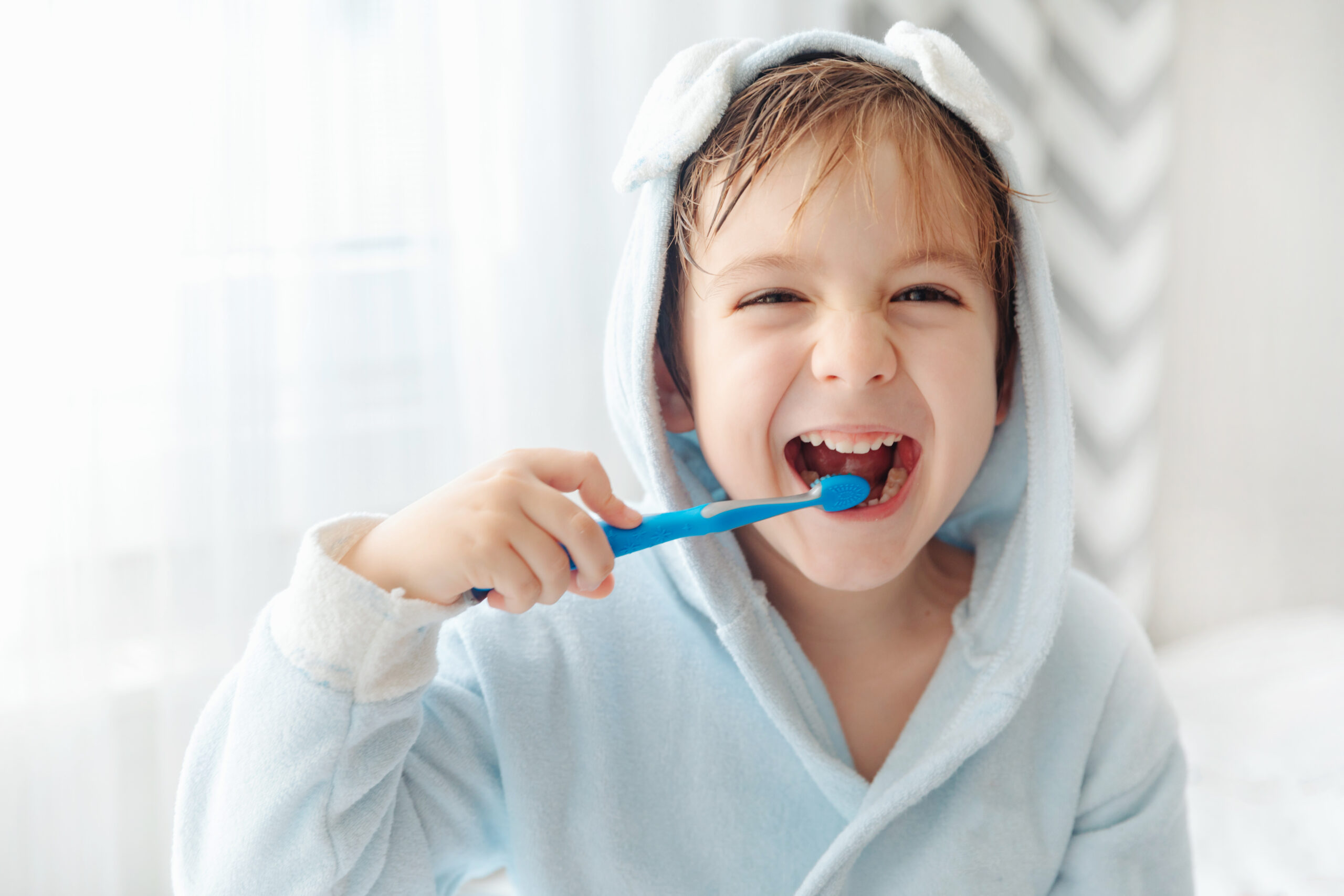
SACHI Dental Clinic receives many questions and concerns about children’s oral health. Here we introduce some common concerns and how we address them.
(1) Concerned About Cavities in Baby Teeth | Early Detection and Treatment Are Important
Baby teeth are more prone to cavities than permanent teeth, and decay tends to progress faster. This is because the enamel of baby teeth is thinner and less mineralized, and the dentin is also softer than that of permanent teeth. Baby teeth also dissolve more easily in acid, so once a cavity forms, it often progresses rapidly.
Leaving cavities in baby teeth untreated carries the following risks.
- Pain and swelling can make eating difficult
- It can negatively affect the formation of permanent teeth
- The permanent teeth may become misaligned
- It can affect pronunciation
Therefore, even in baby teeth, it is important not to leave cavities untreated, but to detect them early and receive appropriate treatment.
What You Can Do at Home to Prevent Cavities
There is no way to prevent cavities with certainty, but daily brushing and regular dental check-ups are the most effective measures. By combining home care with professional care at a dental clinic, you can greatly reduce the risk of cavities.
Diet and Dental Health
A well-balanced diet is also essential for preventing cavities. In particular, to build strong teeth, it is important to get enough calcium and phosphorus, the main components of teeth. Milk and dairy products are rich in these nutrients. They also contain protein (casein), which helps remineralize teeth, and vitamin D, which helps the body absorb calcium.
Milk can also be expected to help neutralize acid in the mouth and protect the tooth surfaces. Making a habit of choosing unsweetened milk with snacks and meals helps maintain your child’s dental health. However, care is needed with sweetened milk drinks or drinking milk right before bedtime, as these may actually increase the risk of cavities. Remember to brush after meals as well.
Finishing Brushing Methods by Age
- Ages 0 to 1: Building the brushing habit with gauze
Once teeth begin to come in, gently wipe them with moistened gauze. At this stage, building a brushing habit is what matters. Keep it fun so your baby does not resist, for example by singing or talking gently while you wipe.
Gently wipe with clean gauze - Ages 1 to 3: Checking carefully with your child’s head on your lap
Rest your child’s head on your lap and do the finishing brushing in this position. It gives you a good view inside the mouth, which helps reduce missed spots. The backs of the upper front teeth in particular are often missed. Choose a children’s toothbrush with a small head and brush with small, gentle strokes. A key tip for finishing brushing at this age is that care by the parent’s hand is especially important.
Brush thoroughly with your child’s head on your lap - Ages 3 to 5: Practicing self-brushing plus finishing brushing
Let your child start practicing brushing on their own. First, hand them the toothbrush and let them brush freely. Afterward, a parent should always do finishing brushing to make sure no spots are missed. At this stage, it is important to teach your child that brushing can be fun. - Ages 5 to 8: Take extra care when permanent teeth come in
Around age 6, the first permanent molars (six-year molars) come in at the back of the mouth. Six-year molars have deep grooves and are prone to cavities, so brush them with particular care. This is also when the front teeth are replaced by permanent teeth. During this period, when baby teeth and permanent teeth are mixed, the teeth become uneven and more spots tend to be missed. Teach your child to brush each tooth carefully while looking in a mirror. Also help them make a habit of using dental floss between the teeth. If you search online for flossing for kids, you can find videos and other resources showing how children can use floss.


How to Choose and Use Toothpaste Effectively
Choosing a fluoride toothpaste is effective for preventing cavities. The Japanese Society of Pediatric Dentistry recommends amounts and fluoride concentrations according to age.
- From the first tooth to age 2: A rice-grain-sized amount (about 1 to 2 mm) of toothpaste with 1000 ppmF
- Ages 3 to 5: A pea-sized amount (about 5 mm) of toothpaste with 1000 ppmF
- Age 6 to adult: An amount covering the whole toothbrush head (about 1.5 cm to 2 cm) of toothpaste with 1500 ppmF
To use toothpaste effectively, it is important to use the right amount for your child’s age. Try to find a toothpaste that suits your child.
Treatment If a Cavity Develops
Treatment depends on the size and depth of the cavity. We strive to provide treatment with consideration for pain so that your child can receive treatment with peace of mind.
Treating Small Cavities (CR Restoration)
If the cavity is small and has not reached the nerve, we remove only the decayed portion and restore the tooth with composite resin (CR). CR restoration requires removing only a small amount of tooth structure and gives a natural-looking result.
The treatment steps are as follows.
- Remove the decayed portion
- Apply a bonding agent to the tooth surface
- Fill with composite resin
- Harden it with a curing light
- Shape it and adjust the bite
CR restoration is usually completed in a single visit. However, if the cavity is large or deep, anesthesia may be needed. We use topical anesthesia and an electric anesthetic injector to keep pain to a minimum, so please rest assured.
Advantages of CR Restoration
- Only a small amount of tooth structure is removed
- Natural appearance
- Completed in a single visit
- No concern about metal allergies
Disadvantages of CR Restoration
- It may chip or come off if strong force is applied
- It may discolor over time
- It may not be suitable for large cavities
Treating Large Cavities (Root Canal Treatment, Extraction)
If the cavity is large and has reached the nerve, root canal treatment is required. Root canal treatment removes the nerve infected by cavity-causing bacteria, disinfects and cleans the inside of the root canals, and then fills and seals them with medication. Root canal treatment for baby teeth differs in some respects from that for permanent teeth, as resorption of the roots and the effect on the permanent teeth that will follow must be taken into account.
The root canal treatment steps are as follows.
- Remove the decayed portion
- Remove the nerve
- Disinfect and clean the inside of the root canals
- Fill the root canals with medication
Root canal treatment requires multiple visits. However, if symptoms do not improve after root canal treatment, or if root resorption has progressed, extraction may be necessary. A baby tooth needs to be extracted when there is concern that it could harm the permanent tooth.
Specifically, extraction is necessary in cases such as the following.
- When the cavity is so large that the tooth cannot be saved with root canal treatment
- When root resorption has progressed and the tooth is loose
- When pus has collected at the tip of the root and may harm the permanent tooth
After extraction, a device called a space maintainer may be placed so that the alignment and bite of the permanent teeth are not affected.
How We Help Children Cooperate with Treatment
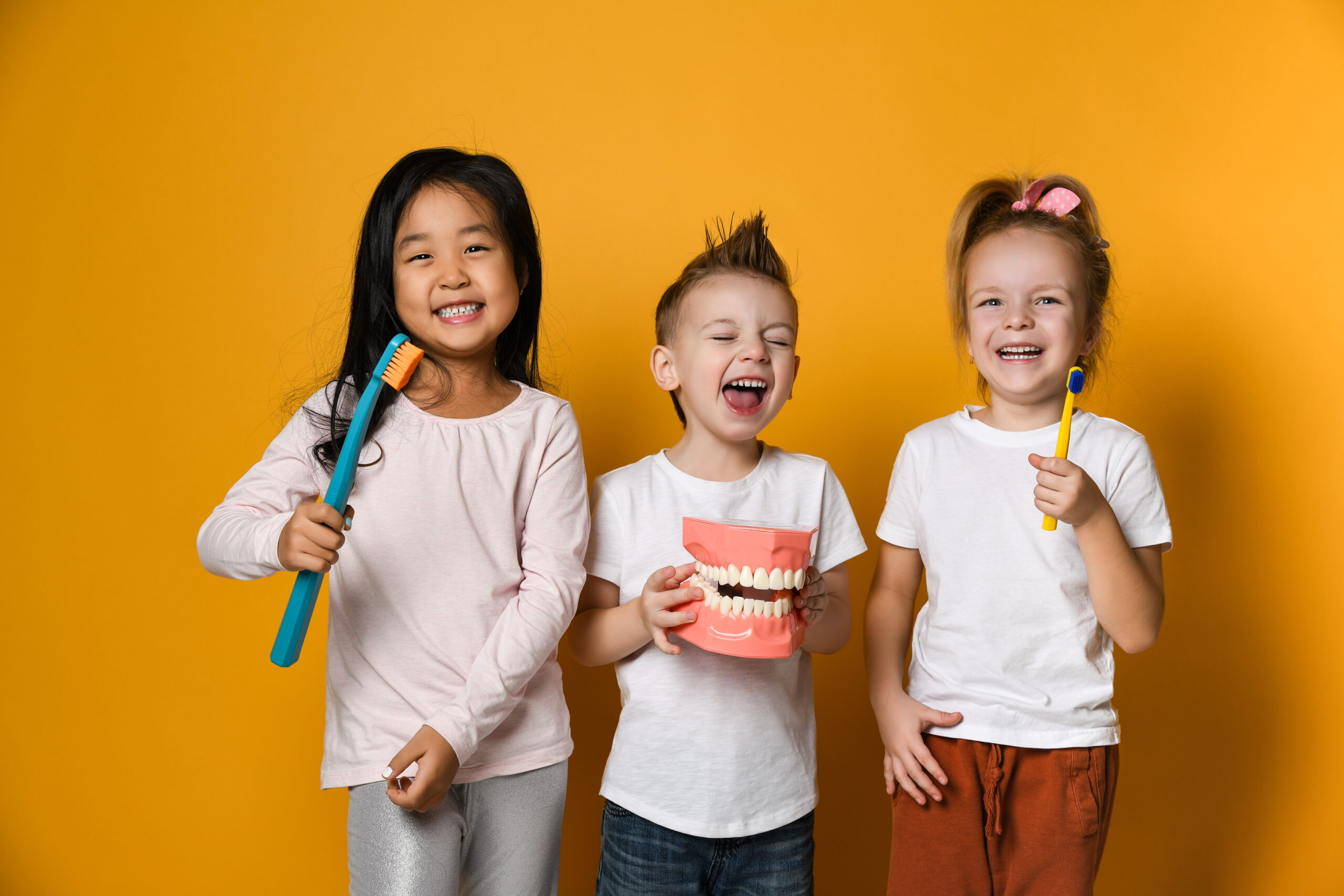
At SACHI Dental Clinic, we take a variety of measures so that children do not develop a fear of dental treatment. Our entire team, including our female dentist, treats children with kindness and care, and we strive to create an environment where they can relax during treatment.
Specifically, we do the following.
- Before treatment, we show children the instruments and let them touch them to ease their anxiety.
- During treatment, we talk to and encourage children as we proceed.
- We have small rewards for children who do their best during treatment.
We also carefully explain the treatment and points to note to parents and offer advice on home care. We are always thinking of ways to help children not be afraid of the dentist.
When a Child Is Unable to Cooperate with Treatment
For children who are unable to cooperate with treatment, or for whom safe treatment is difficult due to systemic conditions or other reasons, we may refer them to a nearby advanced medical facility or university hospital. We work together with other medical institutions to provide the best possible care for your child.
(2) Want Regular Check-ups | For Cavity Prevention and Early Detection
Regular dental check-ups are extremely important for preventing cavities and gingivitis and for early detection and treatment. Our regular check-ups include the following.
- Cavity check: We check for the presence and extent of cavities.
- Gingivitis check: We check for swelling or bleeding of the gums.
- Plaque and tartar removal: We remove plaque and tartar using specialized equipment.
- Fluoride application: Strengthens the teeth and helps prevent cavities.
- Brushing instruction: We teach proper brushing technique.
- Lifestyle guidance: We offer advice on diet and other habits.
The appropriate frequency of check-ups varies depending on your child’s oral condition, but we generally recommend a visit once every 3 to 6 months. We adjust the frequency of regular dental check-ups for children according to age and risk, so please feel free to consult us.
About Fluoride Application
Fluoride application is a method of strengthening teeth and preventing cavities by applying fluoride to the tooth surface. Fluoride applied at a dental clinic is more concentrated than that in household toothpaste, so a greater cavity-prevention effect can be expected.
Benefits of Fluoride Application
- Promotes remineralization: Fluoride encourages calcium and phosphate that have dissolved from the teeth to be redeposited, helping to repair early-stage cavities.
- Strengthens teeth: Fluoride acts on the enamel to form a stronger, more acid-resistant tooth structure (fluorapatite).
- Inhibits cavity-causing bacteria: Fluoride suppresses the activity of cavity-causing bacteria and reduces the acid they produce.
Frequency and Safety of Fluoride Application
Fluoride application at a dental clinic is most effective when done about 3 to 4 times a year (once every 3 months). Although a high concentration of fluoride is applied, the amount is carefully controlled by a dentist or dental hygienist, so there are no safety concerns.
However, excessive intake can carry risks such as dental fluorosis (white spots or streaks on the teeth). For this reason, please follow the instructions of your dentist or dental hygienist regarding the amount and frequency of fluoride products used at home. For those searching for “fluoride treatment in Mita,” we perform the procedure with careful attention to safety so you can feel at ease.
How It Differs from Fluoride Products Used at Home
Some toothpastes and mouthwashes for home use also contain fluoride. Using these products every day helps enhance cavity prevention. However, their fluoride concentration is lower than that of fluoride applied at a dental clinic. In other words, combining home care with professional application at a dental clinic is the most effective way to prevent cavities.
Choosing a Toothbrush and Toothpaste by Age and Situation
To protect your child’s dental health, it is important to choose a toothbrush and toothpaste suited to their age and oral condition.
Recommended toothpaste amounts and fluoride concentrations by age, based on the recommendations of the Japanese Society of Pediatric Dentistry
- From the first tooth to age 2: About the size of a grain of rice (1–2 mm); fluoride concentration of 1,000 ppmF (900–1,000 ppmF based on products available in Japan)
- Ages 3–5: About the size of a green pea (5 mm); fluoride concentration of 1,000 ppmF (900–1,000 ppmF based on products available in Japan)
- Age 6 to adult: Across the whole toothbrush head (about 1.5–2 cm); fluoride concentration of 1,500 ppmF (1,400–1,500 ppmF based on products available in Japan)
Recommended Toothbrushes by Age and Situation
- Ages 0–2: Choose an infant toothbrush with a small head and soft bristles.
- Ages 3–5: This is when children practice brushing on their own, so choose a children’s toothbrush that is easy to grip and has a small head.
- Age 6 and up: This is when permanent teeth begin to come in. Choose a toothbrush with a small head and fine bristles so the back teeth can be brushed thoroughly.
A toothbrush should be replaced once its bristles begin to splay. Depending on the condition of the mouth, a specially shaped toothbrush or supplementary cleaning tools (dental floss, interdental brushes, etc.) may also be needed. For details, please feel free to ask our staff. We also offer guidance such as “recommended toothbrushes for children.”
3. Concerned About Your Child’s Teeth Alignment? Early Consultation Is Recommended
Children’s teeth alignment changes significantly as baby teeth are replaced by permanent teeth and as the jaw grows. “Consultations about children’s teeth alignment” are among the most common concerns we hear at SACHI Dental Clinic. Please consult us early, especially in the following cases:
- A permanent tooth has come in beneath a baby tooth
- A baby tooth has fallen out, but the permanent tooth is slow to come in
- A permanent tooth has come in in an unusual position
- You are concerned about the bite, such as an underbite or protruding front teeth
- Your child has habits such as thumb-sucking or nail-biting
When to Seek a Consultation About Teeth Alignment
If you have any concerns about your child’s teeth alignment, please consult us early. In particular, during the transition from baby teeth to permanent teeth (around ages 6 to 12), the alignment and bite change significantly, so this period calls for close attention. Detecting problems early and starting treatment at the right time increases the likelihood of a better outcome. We also welcome consultations from those looking for “pediatric orthodontics in Mita.”
Treatment Options When Orthodontics Is Needed
Depending on the condition of your child’s teeth alignment, orthodontic treatment may be needed. The main treatment methods include the following:
- Removable plate appliances: A treatment that uses a removable appliance to encourage jaw growth and move the teeth.
- Wire braces: A treatment in which brackets are attached to the tooth surfaces and a wire is threaded through them to move the teeth.
- Clear aligner orthodontics: A treatment that moves the teeth using transparent, mouthpiece-style aligners.
Which treatment is suitable depends on the condition of the teeth alignment, age, lifestyle, and other factors. At our clinic, we will propose the treatment best suited to your child.
SACHI Dental Clinic’s Approach to Pediatric Orthodontics
At our clinic, we provide orthodontic treatment tailored to your child’s growth and development. Starting treatment early in particular makes it possible to guide jaw growth. As a result, the risk of needing full-scale orthodontic treatment in the future can be reduced. In addition, our female director and all of our staff strive to be gentle and attentive so that children can enjoy their visits. If you are looking for pediatric orthodontics in the Shibakoen area, please feel free to consult us.
Frequently Asked Questions (FAQ)

Here are answers to some frequently asked questions about pediatric dentistry.
At what age should my child start seeing a dentist?
We recommend a dental check-up once your child turns one year old. Also, once teeth begin to come in, start practicing toothbrushing.
When should I start brushing my child’s teeth?
Once teeth begin to come in, start by wiping them with gauze. From around age 1, begin practicing brushing with an infant toothbrush. Please continue finishing brushing for your child until around the upper grades of elementary school.
Does thumb-sucking affect teeth alignment?
Prolonged thumb-sucking may adversely affect teeth alignment and the bite. If thumb-sucking continues past age 3, please consult a dentist.
If a baby tooth gets a cavity, will it affect the permanent teeth?
Leaving a cavity in a baby tooth untreated may adversely affect the permanent tooth that comes in later. Therefore, even if it is a baby tooth, please have any cavity treated early.
My child is afraid of the dentist. What should I do?
First, it is important to help your child understand that the dentist is not a scary place. For example, playing “dentist” at home or reading picture books that feature dentists can be effective. At our clinic, we also take various measures to help children feel relaxed during treatment, so please rest assured.
Related Articles
About the Author: 中村 紗千子 SACHIKO NAKAMURA

View Other Treatment Options
Treatment Menu
Types of Ceramic Treatments and how to Choose
Treatment Menu
Bite Alignment Treatment
Treatment Menu
Wisdom Teeth
Treatment Menu
Orthodontics, Mouthpiece Orthodontics, Pediatric Orthodontics
Treatment Menu
Dental Check-ups and Preventive Dentistry
Treatment Menu
Root Canal Treatment
Treatment Menu
Periodontal Disease Treatment
Treatment Menu
Whitening
Treatment Menu
Cosmetic Dentistry