
Root Canal Treatment
Publication Date:
Last Updated:
- What is Root Canal Treatment?|how to Treat Tooth Decay that Has Reached the Nerve
- Differences between Pulp Extirpation and Infected Root Canal Treatment
- Flow of Root Canal Treatment at SACHI Dental Clinic
- Perforation Repair|Special Treatment for Holes in Teeth
- Why SACHI Dental Clinic is Chosen|Commitment to Precision Root Canal Treatment
- Frequently Asked Questions (FAQ) about Root Canal Treatment
- View Other Treatment Options
What is Root Canal Treatment?|how to Treat Tooth Decay that Has Reached the Nerve
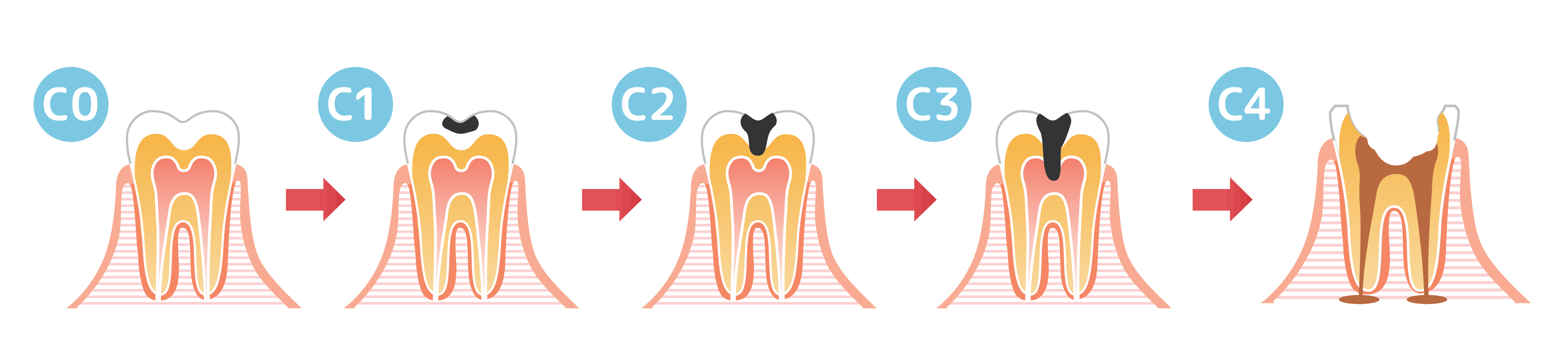
Root canal treatment is a procedure performed when tooth decay progresses to the dental nerve (pulp) or when pus accumulates at the tip of the tooth root. It is commonly referred to as “nerve removal” or “nerve treatment.” Specifically, the contaminated nerve and bacteria are removed, and the inside of the root canal is thoroughly cleaned and disinfected. The goal is to save the tooth from extraction by filling and sealing it with medicinal materials.
Main symptoms requiring root canal treatment
If you experience the following symptoms, you may require root canal treatment.
- Throbbing, severe pain
- Sensitivity to cold or hot
- Pain when biting
- Swollen gums
- Pus accumulation at the tip of the tooth root
If these symptoms are left untreated, tooth extraction may eventually become necessary. Furthermore, there is a risk of bacteria spreading throughout the body. Therefore, if you feel any discomfort, please visit a dental clinic as soon as possible.
Differences between Pulp Extirpation and Infected Root Canal Treatment

Root canal treatment is broadly divided into two types: “pulpectomy” and “infected root canal treatment.” At SACHI Dental Clinic, we perform precision treatment for both types using microscopes and rubber dams. By doing so, we strive to reduce the risk of recurrence and preserve the tooth whenever possible.
Pulp Extirpation – Treatment for Cases where Tooth Decay Has Reached the Nerve
Pulp extirpation is a treatment method performed when tooth decay is extensive and has reached the nerve. The nerve infected with the bacteria of tooth decay is removed, and the root canal is thoroughly cleaned and disinfected. We also provide precise treatment for those searching for “Pulp Extirpation Mita.”
Pulpectomy procedure
A pulpectomy proceeds according to the following steps.
- Anesthesia: Local anesthesia is administered to suppress pain during treatment. Our clinic uses surface anesthesia and electric anesthesia injectors to minimize the pain of the injection.
- Removal of decay: We use a caries detector solution to stain the decayed areas and remove them thoroughly. During this process, we use a microscope to ensure precision removal while checking areas that are difficult to see with the naked eye.
- Nerve removal: The infected nerve is removed using specialized instruments called reamers and files.
- Cleaning and disinfection of the root canal: The inside of the root canal is cleaned and disinfected using medicinal agents. Ultrasonic cleaning may also be used to enhance the cleaning effect.
- Root canal filling: Once the inside of the root canal is clean, it is tightly filled with a rubber-like material called gutta-percha points.
- Core buildup and crown placement: Since the remaining tooth structure is often thin, it is reinforced with a core (foundation), and a crown (cap) is placed on top.
Technology and instruments supporting precision treatment
At our clinic, we use a method called rubber dam isolation, where a rubber sheet covers everything except the tooth being treated. This prevents the entry of saliva and bacteria, allowing treatment to be performed in a sterile environment.
In addition, we use specialized metal instruments called NiTi files. These instruments are highly flexible and can adapt to complex root canal shapes. Through these efforts, we strive to improve the “root canal treatment success rate.”
Infected Root Canal Treatment – Treatment for Teeth That Have Had Nerve Treatment in the Past or Teeth Whose Nerves Have Died
Infected root canal treatment is a procedure performed when a tooth that has previously undergone nerve treatment becomes re-infected. It is also used for teeth where the nerve has died due to untreated decay. Most cases requiring a “root canal retreatment” fall under this category of infected root canal treatment.
Causes requiring infected root canal treatment
The main causes are as follows.
- There were inadequately treated areas in the previous root canal treatment
- A gap formed between the crown and the tooth, allowing bacteria to enter
- A gap formed around the tooth due to periodontal disease, allowing bacteria to enter
- Tooth decay or periodontal disease has progressed, and pus has accumulated at the tip of the tooth root
Differences from pulpectomy
Infected root canal treatment differs from pulpectomy in the following ways.
- It is necessary to remove crowns, cores, drugs, etc. that were placed in previous treatments
- The root canal often has a complex shape, making treatment more difficult
- Recurrence often occurs, and treatment may take a long time
Therefore, in infected root canal treatment, it is crucial to thoroughly remove bacteria left behind from previous treatments or newly entered bacteria. At our clinic, we observe the inside of the root canal in detail using a microscope to identify and remove the source of infection.
Flow of Root Canal Treatment at SACHI Dental Clinic
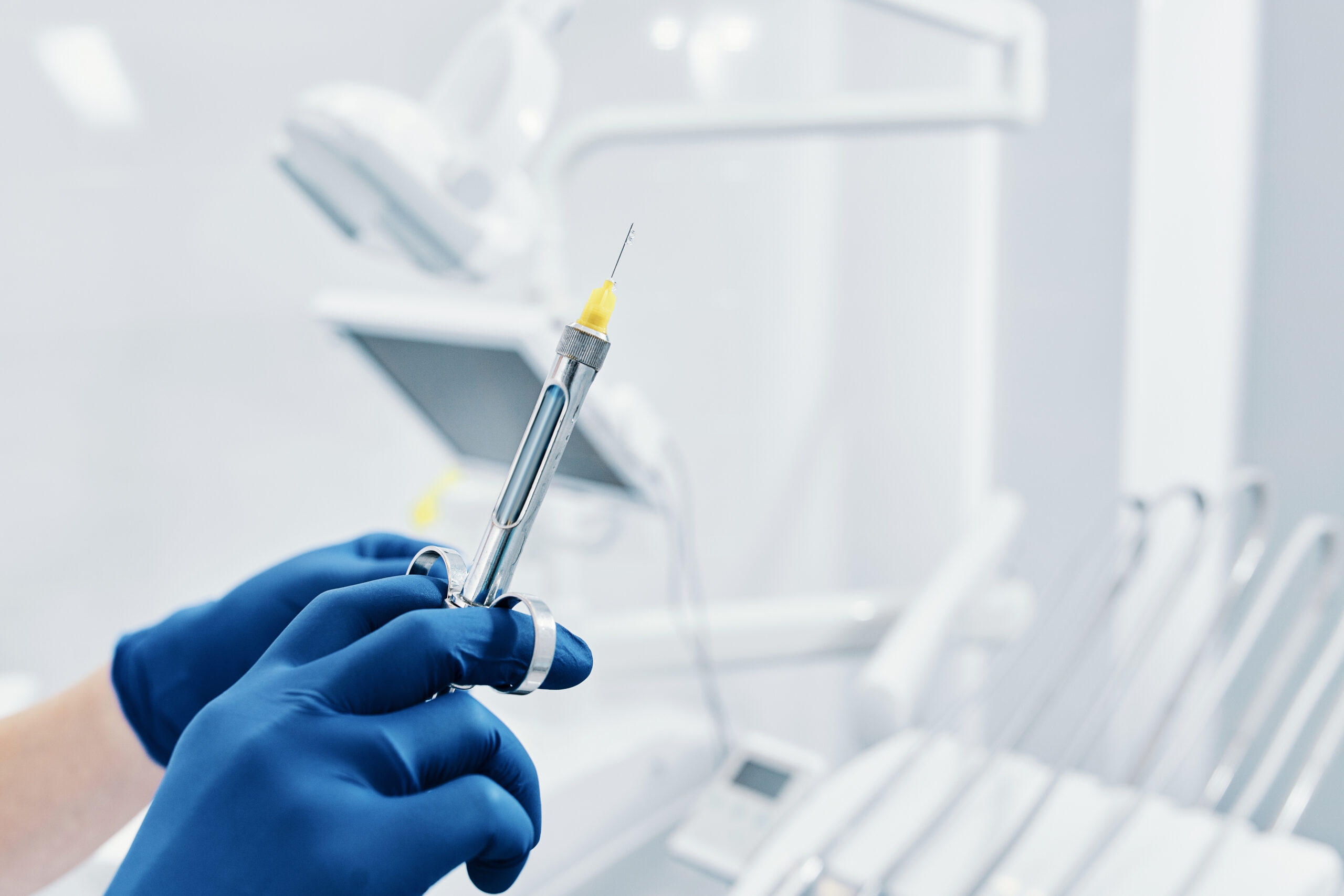
At our clinic, we perform root canal treatment according to the following flow. We will explain each treatment method in detail.
Treatment Flow for Pulp Extirpation
1. Anesthesia/Removal of Tooth Decay
First, local anesthesia is administered to suppress pain during treatment. Then, tooth decay is thoroughly removed using a caries detector solution. By using a microscope, even small areas of decay that are often overlooked by the naked eye can be accurately removed.
At the same time, we check for any cracks or fractures in the tooth. Cracks and fractures not only cause pain but also affect the success rate of root canal treatment. Therefore, early detection is vital.
If the extent of decay is large and there is little remaining tooth structure, a foundation (build-up) may be created with resin to facilitate the placement of a rubber dam. This prevents saliva and bacteria from entering the root canal during treatment, increasing the success rate.
2. Nerve Removal/Root Canal Cleaning/Disinfection
After removing the decay, the infected nerve is removed using specialized instruments called reamers and files. Next, the inside of the root canal is thoroughly cleaned and disinfected with agents such as sodium hypochlorite. During this process, rubber dam isolation prevents the entry of saliva and bacteria, ensuring a sterile environment.
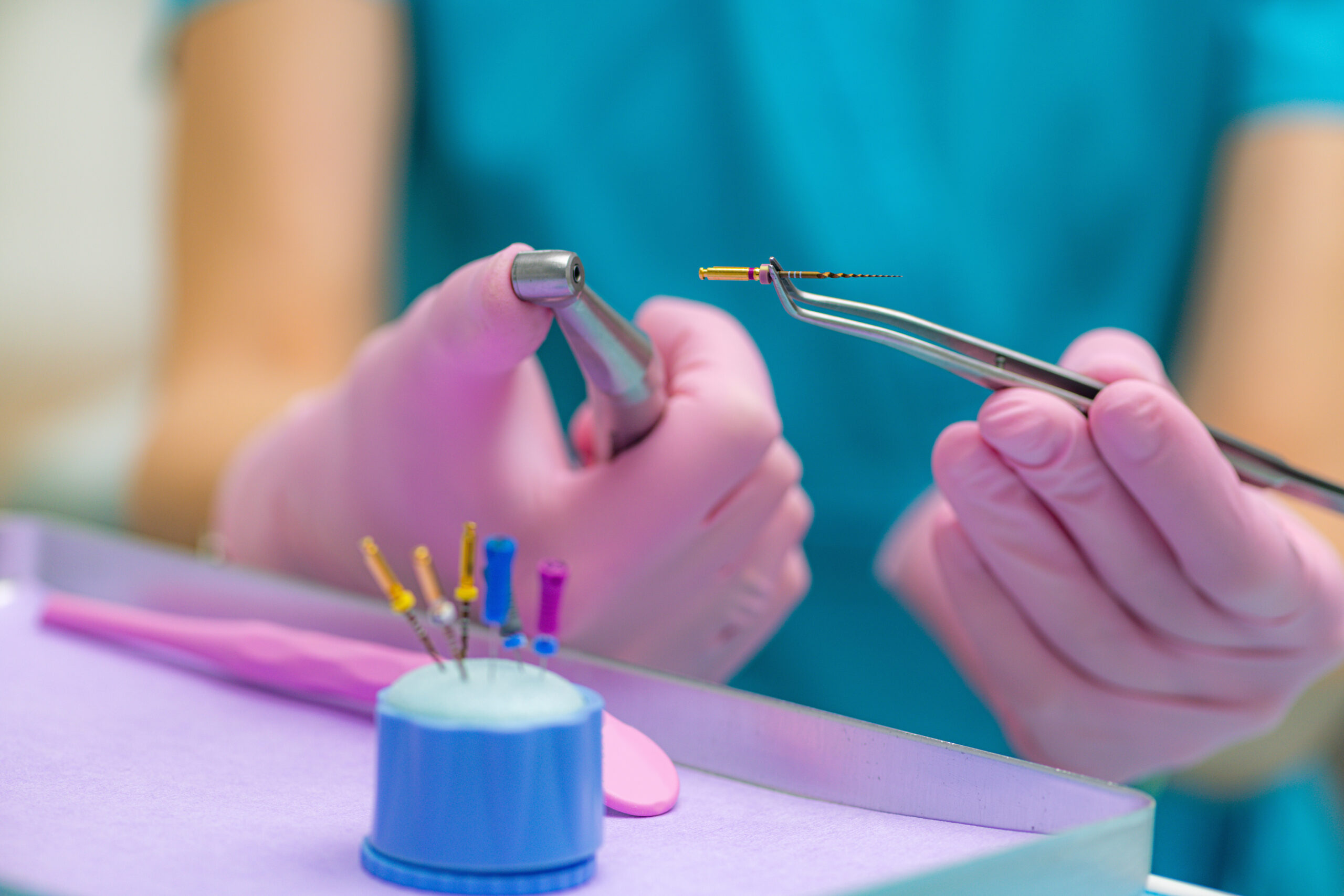
Furthermore, our clinic uses NiTi files. Because they are more flexible than traditional stainless steel files, they can handle complex root canal shapes. By using a microscope in conjunction, we reliably remove infected nerves and bacteria while observing the inside of the root canal in detail.
3. Root Canal Filling
Once the inside of the root canal is clean, the final medicinal material is filled (root canal filling). Usually, a rubber-like material called gutta-percha points is used.
The purpose of root canal filling is to completely seal the root canal and prevent the re-entry of bacteria. This is a very important step, as insufficient filling increases the risk of recurrence.
4. Formation of Core/Placement of Crown
Teeth that have undergone root canal treatment are often thin. Therefore, a core (foundation) is built to reinforce the tooth, and a crown (cap) is placed on top. There are various types of cores, such as metal or fiber posts. At our clinic, we will propose the most suitable option based on the condition of the patient’s tooth and their preferences.
Flow of Infected Root Canal Treatment
The flow of infected root canal treatment is basically similar to a pulpectomy. However, steps to remove crowns, cores, and medicinal materials placed during previous treatments are added. Additionally, since the infection has recurred, more cautious treatment is required.
1. Anesthesia/Removal of Infection Source
Local anesthesia is administered as needed, and decay, old crowns, and medicinal materials from previous treatments are removed. During this process, we identify the source of infection using a microscope to ensure nothing is left behind. The use of a “root canal treatment microscope” is essential for precision treatment.
At the same time, rubber dam isolation is performed to prevent the entry of saliva and bacteria. By ensuring such a sterile environment, the risk of re-infection can be reduced. The use of a “root canal treatment rubber dam” is important for increasing the success rate.
2. Root Canal Cleaning/Disinfection
After removing the source of infection, the inside of the root canal is thoroughly cleaned and disinfected with medicinal agents. Ultrasonic cleaning may also be used to enhance the cleaning effect. Furthermore, by performing the procedure with NiTi files while confirming with a microscope, bacteria can be effectively removed even from complex root canals.
Particularly in the case of retreatment, bacteria left behind in the past may have entered complex grooves within the root canal. Therefore, thorough removal while confirming under magnification with a microscope is the key to preventing recurrence. For these reasons, the number of treatment sessions may increase.
3. Root Canal Filling
Once the inside of the root canal is clean, root canal filling is performed using gutta-percha points, similar to a pulpectomy. The filling material is packed tightly into the root canal without any gaps.
4. Formation of Core/Placement of Crown
Since teeth after root canal treatment are often fragile, they are reinforced with a core (foundation), and a crown (cap) is placed on top. At our clinic, we will propose the most suitable core and crown based on the condition of the patient’s tooth and their preferences.
Perforation Repair|Special Treatment for Holes in Teeth
A perforation is a state where a hole has been opened in the tooth, either because the decay was too large or because an instrument accidentally created a hole during root canal treatment. If left untreated, bacteria will enter and the infection will spread, often leaving no choice but tooth extraction.
Repair with MTA cement
At our clinic, we explore the possibility of saving the tooth by sealing the hole with a specialized treatment called perforation repair. This treatment uses a special material called MTA cement. MTA cement is highly biocompatible and has excellent sealing properties, making it an ideal material for repairs. If you are diagnosed as needing a “perforation repair,” please consult us without giving up.
Indications and limitations of repair
However, not all perforations can be repaired. Depending on the size and location of the hole and the degree of infection, extraction may be necessary. Therefore, at our clinic, we accurately diagnose the condition using dental CT and microscopes to propose the most suitable treatment method.
Why SACHI Dental Clinic is Chosen|Commitment to Precision Root Canal Treatment
SACHI Dental Clinic has introduced the following equipment and technologies to provide precise root canal treatment.
Use of Microscopes
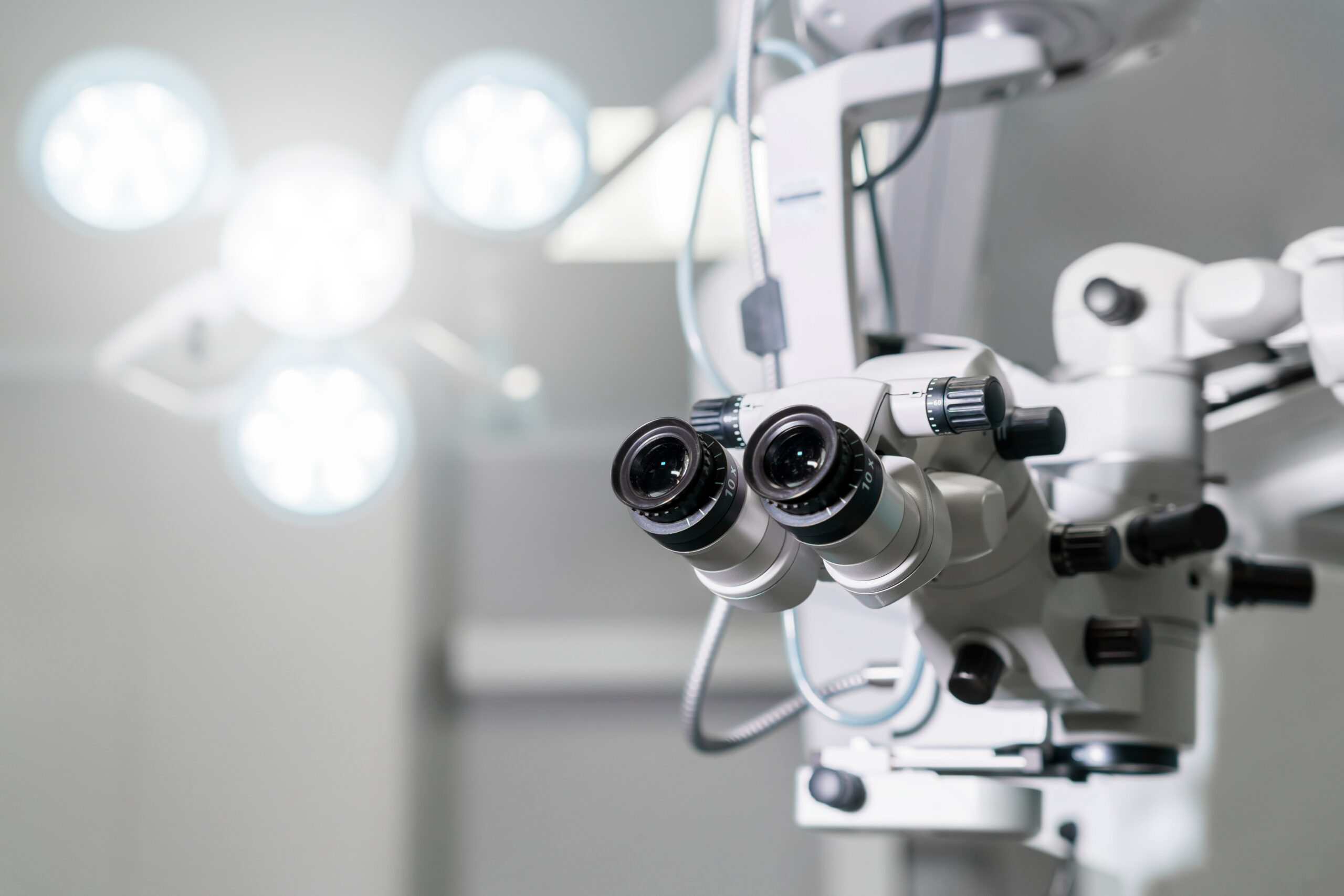
Our clinic uses microscopes for root canal treatment. Since the inside of the root canal, which is invisible to the naked eye, can be magnified approximately 20 times for confirmation, more precise treatment is possible. A “root canal treatment microscope” is an indispensable tool for increasing the success rate.
Rubber Dam Moisture Control
During root canal treatment, a rubber dam isolation covers everything except the tooth being treated with a rubber sheet. This prevents the entry of saliva and bacteria, allowing treatment to be performed in a sterile environment. As a result, the success rate of root canal treatment increases. A “root canal treatment rubber dam” is a very effective method for preventing re-infection.
Use of NiTi Files
NiTi files are highly flexible instruments made of a special metal. They can handle complex root canal shapes that were difficult to treat with traditional stainless steel files. Additionally, since cleaning and shaping of the root canal can be performed efficiently, it also leads to shorter treatment times.
Precise Diagnosis with Dental CT
Our clinic has introduced dental CT. We can three-dimensionally understand the morphology of the root canal and the location of lesions, which were not visible with traditional X-rays. As a result, it is possible to create a safer and more reliable treatment plan. “Root canal treatment CT” examinations improve the accuracy and safety of treatment.
Treatment with Consideration for Pain
We take various measures to ensure that patients can receive treatment without feeling pain. Specifically, we minimize the pain of anesthetic injections by using surface anesthesia, electric anesthesia injectors, and thin injection needles.
Careful Explanation and Treatment by a Female Director
Our female director strives to provide clear and thorough explanations while empathizing with patients’ anxieties and questions. Furthermore, from a detailed perspective unique to a woman, she proposes the most suitable treatment for each individual. Even if you are anxious that “root canal treatment is painful,” please feel free to consult us.
Frequently Asked Questions (FAQ) about Root Canal Treatment

Here, we answer frequently asked questions regarding root canal treatment.
Is root canal treatment painful?
Since anesthesia is used during treatment, you will feel almost no pain. If inflammation is severe, anesthesia may not work well, so treatment will begin after anti-inflammatory measures are taken. However, pain or discomfort may occur after the anesthesia wears off. This usually subsides within a few days, but please contact us if the pain persists.
How many times does root canal treatment take?
The number of treatment sessions varies depending on the size of the decay, the morphology of the root canal, and the degree of infection. Usually, about 3 to 4 visits are required. However, in complex cases, it may take more sessions. At our clinic, we strive to minimize the number of visits through precision treatment using a microscope.
What is the success rate of root canal treatment?
The success rate varies depending on the type of tooth, the morphology of the root canal, and the degree of infection. At our clinic, we strive to improve the success rate by utilizing the latest equipment such as microscopes, rubber dam isolation, and NiTi files. Post-operative care is also important to increase the “root canal treatment success rate.”
What are the precautions after root canal treatment?
Please note the following points after root canal treatment.
- Avoid biting hard objects with the treated tooth
- Avoid touching the treated tooth with your fingers or tongue
- Take the prescribed medication as directed
- If pain or swelling persists, please contact us as soon as possible
How much does root canal treatment cost?
Root canal treatment is basically performed within the scope of insurance-covered medical care. However, costs may vary depending on the instruments and materials used and the difficulty of the treatment. Additionally, crowns placed after treatment include those covered by insurance and those that are self-pay. We will provide a detailed explanation during the counseling session.
About the Author: 中村 紗千子 SACHIKO NAKAMURA

View Other Treatment Options
Treatment Menu
Types of Ceramic Treatments and how to Choose
Treatment Menu
Bite Alignment Treatment
Treatment Menu
Wisdom Teeth
Treatment Menu
Pediatric Dentistry
Treatment Menu
Orthodontics, Mouthpiece Orthodontics, Pediatric Orthodontics
Treatment Menu
Dental Check-ups and Preventive Dentistry
Treatment Menu
Periodontal Disease Treatment
Treatment Menu
Whitening
Treatment Menu
Cosmetic Dentistry