
Bite Alignment Treatment
Publication Date:
Last Updated:
Are you experiencing symptoms such as “jaw pain,” “difficulty opening your mouth,” or “discomfort with your bite”? In fact, bite problems are deeply connected to overall health. At SACHI Dental Clinic in Shiba Park and Mita, we provide thorough examination and treatment for bite problems and temporomandibular joint disorders. Please feel free to consult with us.
The Importance of Bite Alignment for Health

A proper “bite” is not just for chewing food. In fact, it has a significant impact on overall health. For example, a poor bite can potentially cause various health issues such as:
- Headaches
- Shoulder Stiffness
- Neck Pain
- Lower Back Pain
- Dizziness
- Tinnitus
- Indigestion
- TMJ Disorder
- Teeth Grinding and Clenching
- Tooth Fracture
- Worsening of Periodontal Disease
Risks of Neglecting Bite Problems
These symptoms may seem unrelated to teeth at first glance. However, bite misalignment is often the underlying cause. Furthermore, neglecting these issues can worsen symptoms or lead to other conditions. Therefore, if you notice any discomfort, it is important to visit a dental clinic promptly and receive proper diagnosis and treatment.
Causes of Bite Discomfort
The causes of bite discomfort can be attributed mainly to the following two factors:
Improper Height of Fillings or Crowns
After dental treatments such as cavity fillings, discomfort may occur if the height of fillings or crowns does not match properly. In such cases, improvement can be expected by adjusting or remaking the fillings or crowns. Therefore, if you feel that “your bite feels wrong after treatment,” please consult with us promptly.
What is Temporomandibular Joint Disorder?
Temporomandibular joint disorder is a condition in which abnormalities occur in the jaw joint or the muscles that move the jaw (masticatory muscles). Specifically, symptoms such as pain, difficulty opening the mouth, and sounds from the jaw joint may appear.
Classification of Temporomandibular Joint Disorder
Temporomandibular joint disorder is classified as follows based on its pathology:
- Type I Masticatory Muscle Disorder: Main symptoms include pain and stiffness in the muscles that move the jaw (masticatory muscles).
- Type II Joint Capsule/Ligament Disorder: Caused by inflammation or damage to the joint capsule or ligaments surrounding the temporomandibular joint.
- Type III Articular Disc Disorder: Occurs when the articular disc (tissue that acts as a cushion) inside the temporomandibular joint becomes displaced or deformed.
- Type IIIa Anterior Disc Displacement with Reduction: A type in which the displaced articular disc returns to its original position when opening the mouth. It is characterized by a “clicking” sound when opening the mouth.
- Type IIIb Anterior Disc Displacement without Reduction: Refers to a condition (closed lock) in which the articular disc does not return to its original position and the mouth cannot be opened wide.
- Type IV Osteoarthritis: Caused by deformation of the jaw joint bones.
- Type V Other: Cases not classified in the above categories.
Generally, Type III (articular disc disorder) is the most common type of temporomandibular joint disorder, accounting for more than half of all cases. It is said that Type IIIa often progresses to Type IIIb.
Causes of Temporomandibular Joint Disorder
The cause of temporomandibular joint disorder is not singular; multiple factors are involved in combination. The main causes include:
- Poor Bite Alignment
- Teeth Grinding or Clenching
- Poor Posture
- Stress
- Trauma
When these factors overlap, excessive stress is placed on the temporomandibular joint, resulting in symptoms. Therefore, it is important to accurately identify the cause and provide appropriate treatment.
Temporomandibular Joint Disorder Treatment | Optimal Approach Tailored to Symptoms
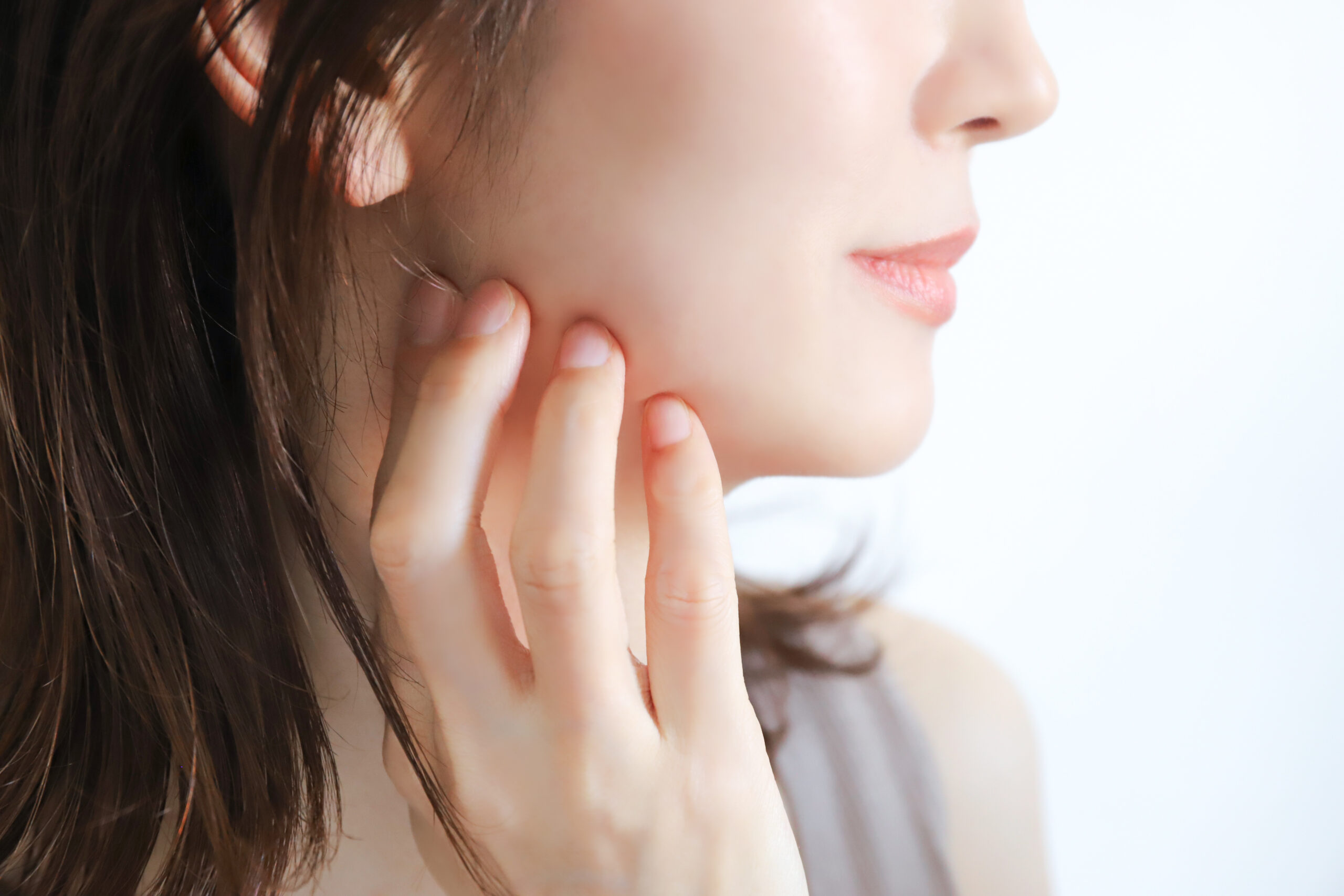
At our clinic, we first conduct interviews, visual examinations, palpation, X-ray examinations, and CT scans to thoroughly diagnose the cause and severity of temporomandibular joint disorder. Based on this, we develop a treatment plan tailored to each patient and provide careful recommendations.
TMJ Disorder Treatment Methods
Treatment methods for temporomandibular joint disorder vary depending on symptoms and causes. Basically, we begin with conservative therapies such as:
Lifestyle Guidance
We provide advice to improve lifestyle habits that cause temporomandibular joint disorder. Specifically, we ask patients to pay attention to the following points:
- Maintain Correct Posture
- Avoid Hard Foods
- Chew Evenly on Both Sides
- Relieve Stress
- TCH Correction (Tooth Contacting Habit)
What is TCH (Tooth Contacting Habit)?
TCH stands for Tooth Contacting Habit, which refers to the unconscious habit of bringing the upper and lower teeth into contact. Normally, the upper and lower teeth do not touch when at rest. However, with TCH, a weak force is continuously applied to the teeth and temporomandibular joint for extended periods. As a result, it can cause temporomandibular joint disorder. At our clinic, we provide careful guidance for TCH correction.
Physical Therapy
To relieve tension in the temporomandibular joint and masticatory muscles, we implement physical therapy such as massage and stretching. Additionally, we provide instruction on simple exercises that can be done at home, which can be useful for daily self-care.
Medication Therapy
When pain is severe or inflammation is present, we may prescribe pain relievers or other medications. This allows treatment to proceed while reducing discomfort in daily life.
Mouthpiece Treatment (Splint Therapy)
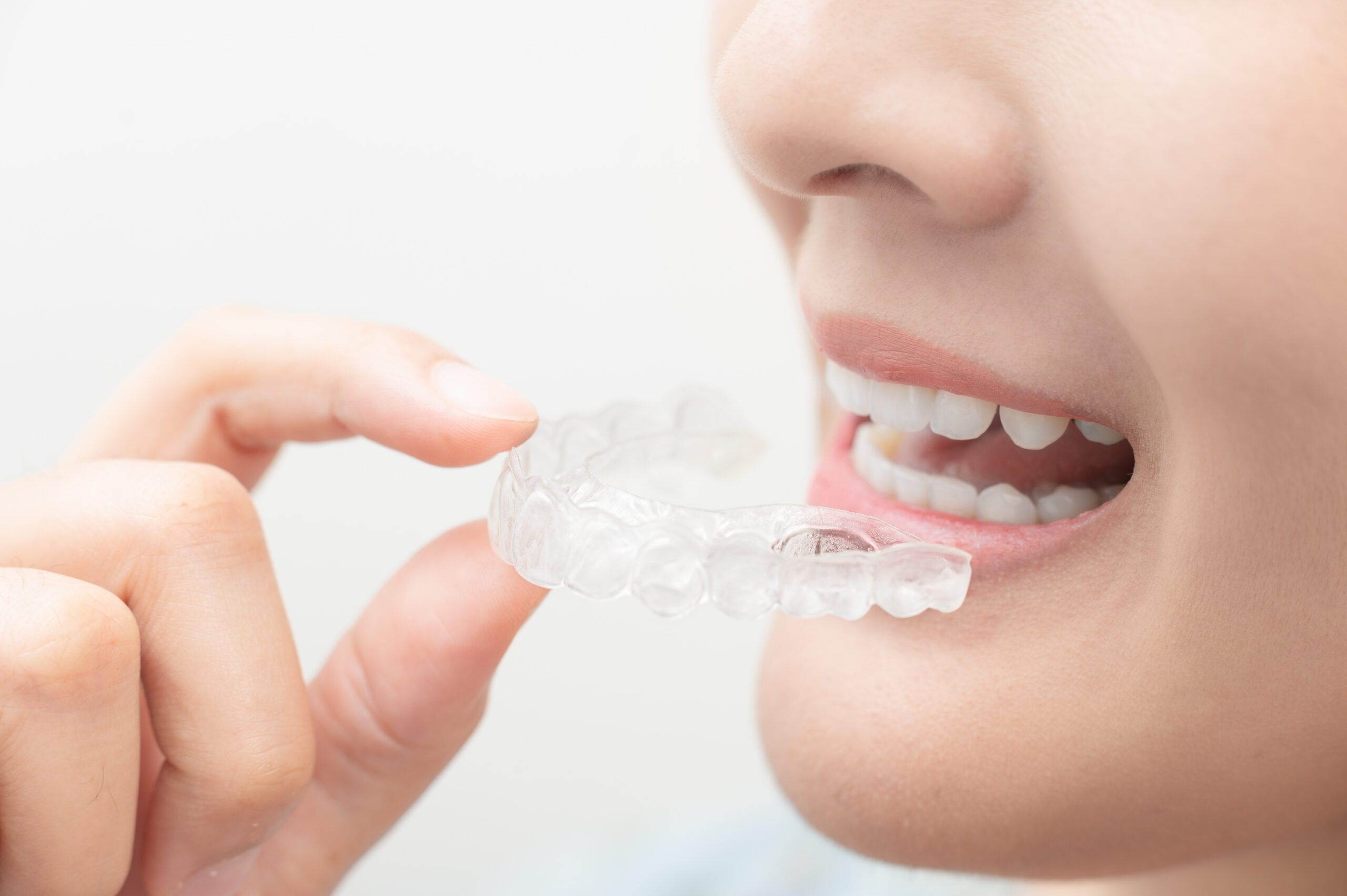
By wearing a mouthpiece (splint) during sleep, the burden on the temporomandibular joint and teeth caused by teeth grinding and clenching can be reduced. There are various types of mouthpieces, including stabilization type and anterior repositioning type, and we select the most appropriate one based on the patient’s symptoms and temporomandibular joint condition.
Mouthpieces can be made with insurance coverage. This is one of the effective treatment methods for relieving symptoms of temporomandibular joint disorder, so please feel free to consult with us.
Surgical Therapy
If symptoms do not improve with the above conservative therapies or if there is a structural problem with the temporomandibular joint, surgical treatment may be considered. Representative methods include arthroscopic surgery and arthrocentesis. However, if we determine that surgical treatment is necessary at our clinic, we will refer you to a university hospital or general hospital with advanced medical facilities with which we have partnerships.
Frequently Asked Questions (FAQ)

Does TMJ disorder heal naturally?
Mild temporomandibular joint disorder may heal naturally. However, if symptoms persist or worsen, we recommend visiting a dental clinic promptly. Neglecting the condition may lead to chronic or severe cases, so if you have concerns, please consult with us first.
Is TMJ disorder treatment painful?
Basically, we begin with conservative therapies that do not involve pain. For example, mouthpiece treatment and physical therapy rarely cause pain. Therefore, you can receive treatment with peace of mind.
How long does TMJ disorder treatment take?
The treatment period varies depending on the severity of symptoms and the treatment method. Some cases improve within a few weeks, while others may take several months or longer. At our clinic, we develop a treatment plan tailored to each patient’s condition and provide careful explanations.
How much does TMJ disorder treatment cost?
Treatment for temporomandibular joint disorder is usually covered by insurance. Mouthpiece treatment is also covered by insurance. However, some specialized treatments or examinations may not be covered by insurance, so we will explain the details during the consultation.
When do you use a mouthpiece?
The mouthpiece is primarily worn during sleep. This reduces the burden on the temporomandibular joint and teeth caused by teeth grinding and clenching. Additionally, we may recommend its use for those who have a habit of clenching during the day.
Are there ways to prevent TMJ disorder?
While it is difficult to completely prevent temporomandibular joint disorder, you can reduce the risk by paying attention to the following:
- Maintain Correct Posture
- Avoid Excessive Chewing of Hard Foods
- Chew Evenly on Both Sides
- Relieve Stress
- Have Regular Dental Checkups
- Be mindful of TCH (Tooth Contacting Habit)
In addition to these daily precautions, regular dental checkups to have your bite examined are also effective. If you have any concerning symptoms, please feel free to consult with our clinic.
About the Author: 中村 紗千子 SACHIKO NAKAMURA

View Other Treatment Options
Treatment Menu
Types of Ceramic Treatments and how to Choose
Treatment Menu
Wisdom Teeth
Treatment Menu
Pediatric Dentistry
Treatment Menu
Orthodontics, Mouthpiece Orthodontics, Pediatric Orthodontics
Treatment Menu
Dental Check-ups and Preventive Dentistry
Treatment Menu
Root Canal Treatment
Treatment Menu
Periodontal Disease Treatment
Treatment Menu
Whitening
Treatment Menu
Cosmetic Dentistry