
Wisdom Teeth
Publication Date:
Last Updated:
- Are You Neglecting your Wisdom Tooth Problems?
- Should wisdom teeth be extracted? Or can they be left alone?
- Wisdom Tooth Extraction Process
- Post-Extraction Care Tips | For a Comfortable Recovery
- Beware of Persistent Mouth Sores | Possibility of Oral Cancer
- Frequently Asked Questions (FAQ)
- View Other Treatment Options
Are You Neglecting your Wisdom Tooth Problems?
Are you experiencing issues such as wisdom tooth pain, swelling, or uncertainty about whether a wisdom tooth should be extracted? Because wisdom teeth are the last permanent teeth to erupt, they often lack sufficient space, causing them to grow sideways, at an angle, or remain impacted within the gums. This can lead to various dental complications.
Should wisdom teeth be extracted? Or can they be left alone?
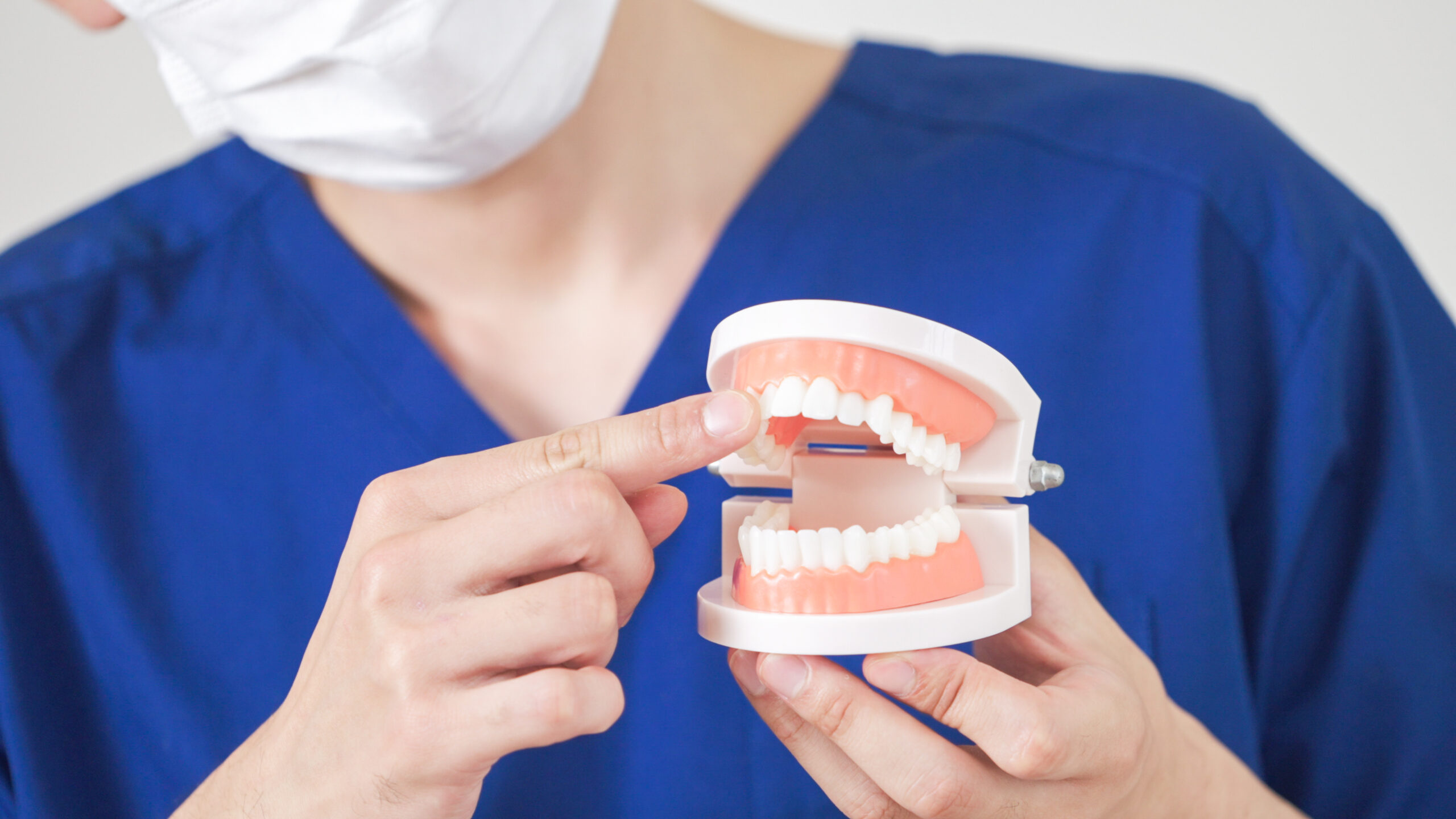
Wisdom teeth do not always need to be extracted. However, extraction should be considered in the following cases. Even if there are no current issues, some choose early extraction to prevent future problems. Conversely, there are cases where leaving the wisdom tooth in place is perfectly acceptable.
Cases where Extraction is Recommended
- The wisdom tooth itself has decay: Wisdom teeth are prone to cavities as they’re difficult to reach with a toothbrush. Especially when growing sideways or at an angle, they’re more likely to accumulate plaque and develop cavities.
- The wisdom tooth is causing swelling or pain in the surrounding gums (pericoronitis): This is an inflammation caused by a bacterial infection in the gums around the wisdom tooth. If pericoronitis recurs, extraction is generally recommended.
- The wisdom tooth increases the risk of decay or gum disease in adjacent teeth: Wisdom teeth can push against adjacent teeth, causing misalignment or creating gaps between teeth, increasing the risk of cavities and gum disease. “Wisdom tooth cavities” can negatively affect surrounding teeth.
- The wisdom tooth is growing sideways or at an angle, negatively affecting tooth alignment or your bite: It can push against adjacent teeth, causing misalignment. Furthermore, a poor bite can lead to conditions such as temporomandibular joint (TMJ) disorders.
- The wisdom tooth is completely impacted in the bone, but X-rays show abnormalities such as cysts: Cysts are fluid-filled sacs that can dissolve surrounding bone as they grow, potentially weakening the jaw.
Cases where Extraction may not be Necessary
- The wisdom tooth has grown straight and aligns properly with the opposing tooth: In such cases, it functions like other teeth and doesn’t need to be forcibly extracted.
- The wisdom tooth is completely buried in the bone, shows no symptoms like pain or swelling, and is not negatively affecting surrounding teeth or tissues: In such cases, monitoring the tooth through regular checkups is often sufficient.
- There’s potential for using the wisdom tooth as a transplant or bridge abutment if adjacent teeth are lost in the future: However, this depends on the condition and position of the wisdom tooth.
We first recommend an examination at our dental clinic
It is difficult to determine on your own whether a wisdom tooth should be extracted or left alone. Therefore, we recommend visiting a dental clinic for an examination and consultation with a dentist. At SACHI Dental Clinic, we use state-of-the-art equipment, including X-rays and CT scans, to accurately diagnose the condition of your wisdom teeth and propose the most suitable treatment plan for each patient.
Wisdom Tooth Extraction Process
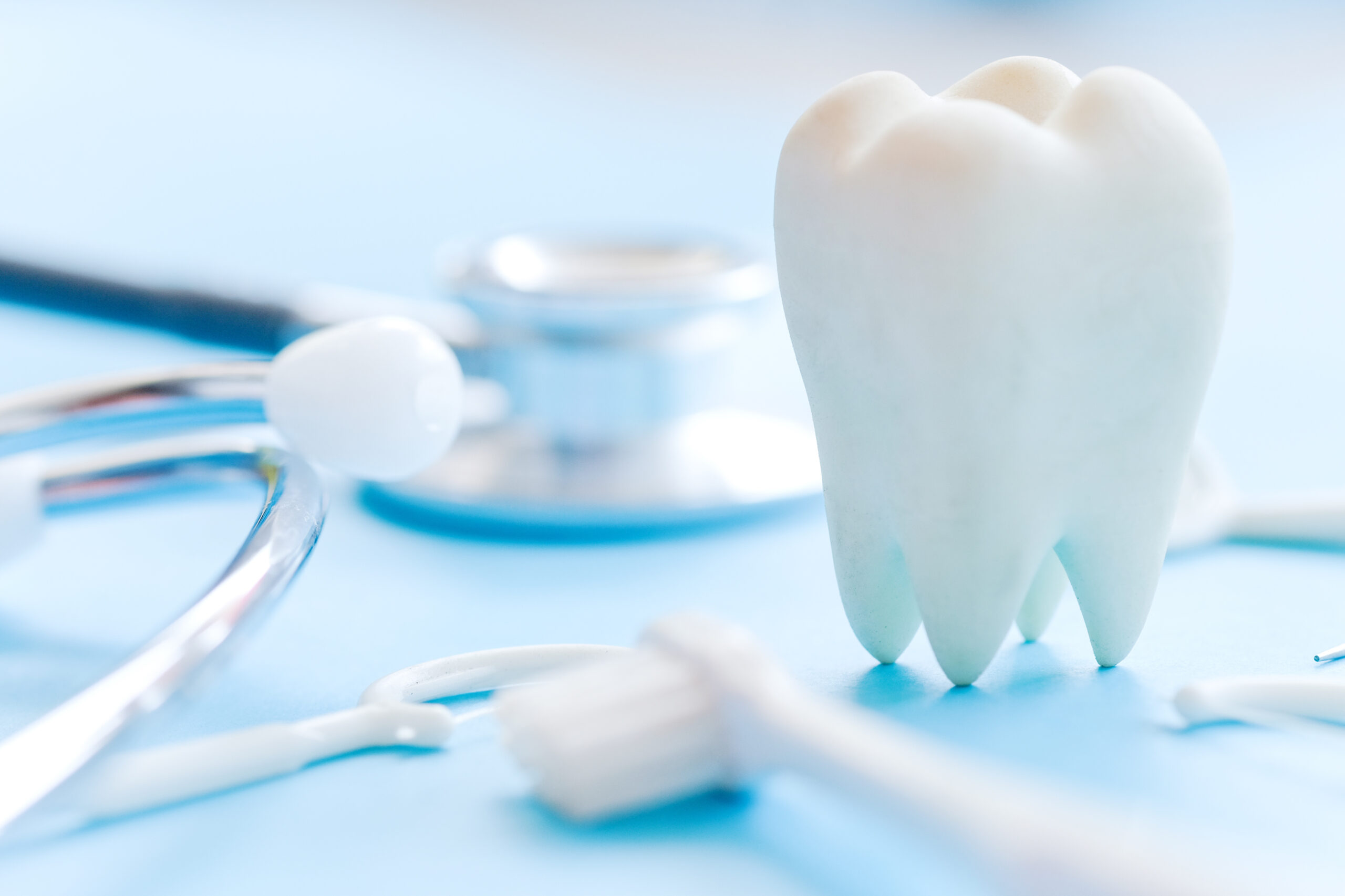
At our clinic, wisdom tooth extractions follow the process outlined below. We will explain each step in detail.
1. Initial Consultation
First, we will check the condition of your mouth and listen to your concerns or preferences regarding your wisdom teeth. Following this, we perform a detailed examination, including a medical interview, oral examination, and X-rays.
Based on the examination results, we’ll explain the necessity of extraction, potential risks, and costs in detail. We proceed with treatment only after ensuring the patient’s understanding and consent. Please feel free to ask about any concerns, including “wisdom tooth extraction costs.”
2. Day of Extraction
On the day of extraction, we first confirm that you’re in good health before starting the procedure.
If necessary, we may perform a CT scan to get a three-dimensional view of the wisdom tooth and surrounding tissues.
Additionally, our clinic strives to provide pain-conscious treatment, using topical anesthesia and electric anesthesia injectors to minimize the pain of the injection itself.
Differences in extraction methods based on how the wisdom tooth has erupted
The extraction method varies depending on how the wisdom tooth has grown.
- If it has grown straight and the roots aren’t curved: In most cases, extraction can be done without incising the gum. The extraction typically takes about 30 minutes per tooth.
- If it’s sideways or impacted: We incise the gum and, if necessary, divide the tooth or remove surrounding bone for extraction. These extractions often take about an hour.
After extraction, we suture the wound and may apply a hemostatic agent. Finally, we have you bite on gauze to confirm hemostasis, and if there are no issues, you can go home.
3. Post-Extraction Care
After the extraction, we will prescribe antibiotics and pain relievers to manage pain and swelling. We will also provide detailed instructions regarding post-extraction care (diet, brushing, exercise, bathing, smoking, drinking, etc.). It is important to rest quietly for 2 to 3 days following the procedure. Stitches are typically removed about one week after the extraction.
Post-extraction recovery varies by individual, but pain and swelling typically subside within a few days to a week. If you experience persistent severe pain or swelling, or if bleeding doesn’t stop, please contact our clinic immediately.
Post-Extraction Care Tips | For a Comfortable Recovery
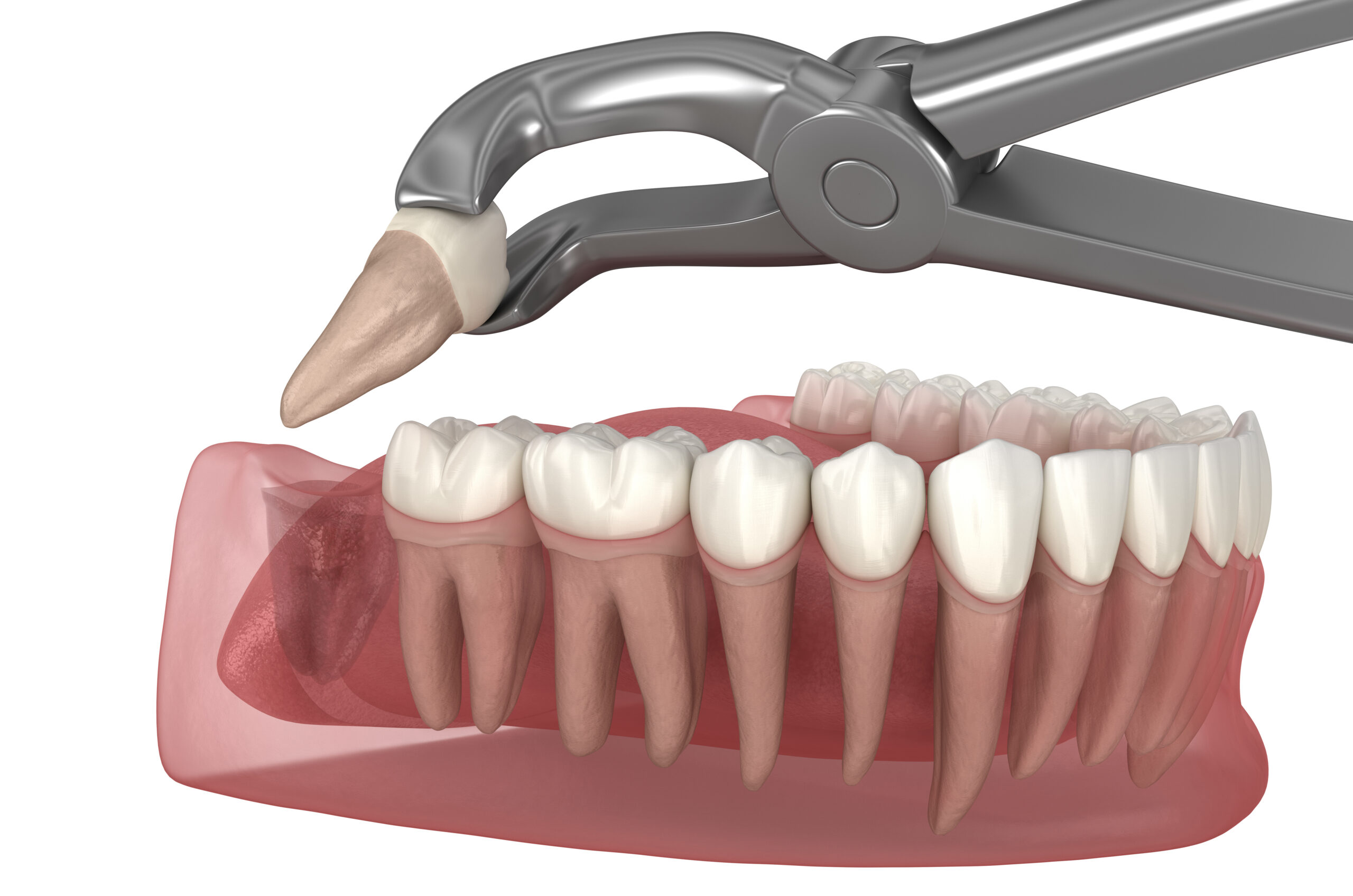
Please observe the following precautions after your wisdom tooth extraction. Proper care ensures a smooth recovery.
Regarding diet and alcohol
- Diet: If possible, please refrain from eating or drinking for 2 to 3 hours after the extraction until the anesthesia wears off. Afterward, start with soft foods and eat gradually, avoiding the extraction site. Please avoid spicy or hard foods for about one week.
- Alcohol: Drinking alcohol increases blood circulation, which can cause bleeding or pain. Furthermore, it may weaken the effectiveness of prescribed medications or increase side effects, so please refrain from alcohol for several days after the extraction.
Regarding brushing and rinsing
- Brushing: Please brush gently, avoiding the extraction site. However, continue to brush your other teeth thoroughly while being careful of the wound. Accumulation of debris and bacteria can affect the healing process.
- Rinsing: Avoid vigorous rinsing on the day of extraction. Strong rinsing can dislodge the blood clot (called a “blood cake”) that protects the wound, potentially slowing healing.
Regarding exercise and bathing
- Exercise: Avoid strenuous exercise on the day of extraction. Increased blood flow can cause bleeding or pain.
- Bathing: Similarly, avoid taking a long soak in the bath on the day of the extraction; a quick shower is preferable.
Regarding smoking
- Smoking: Smoking slows down wound healing and increases the risk of infection. Therefore, we recommend refraining from smoking for about one week after the extraction.
Dealing with pain and swelling
- Pain and swelling: If you experience pain or swelling, take the prescribed medication and apply cold compresses to the area. However, be careful not to over-chill as it can impair blood flow and slow healing.
Things you cannot do on the day of extraction
We will now explain further detailed precautions.
- After confirming hemostasis, you can go home, but we ask that you avoid activities that increase blood flow on that day. There’s a risk of renewed bleeding.
- Bathing: Please limit yourself to showers.
- Exercise: Avoid intense exercise and rest.
- Alcohol: Please refrain from alcohol while taking medication as it can affect the medication’s efficacy.
Regarding bleeding after extraction
- You may notice blood in your saliva for 2-3 days.
- This is due to the wound and is not a problem if it’s a small amount.
- If you’re concerned, you can bite on a clean, folded piece of gauze for 15-20 minutes to apply pressure and stop the bleeding.
- We will explain this method to you after the procedure.
- If you’re still concerned, or if there’s excessive bleeding that fills your mouth without any action, please contact the dental clinic immediately.
Regarding internal bleeding and bruising
- Due to the force applied during extraction, internal bleeding may occur, potentially causing bruising on your face.
- In such cases, like regular bruises, it will heal within 1-2 weeks after extraction.
- If you have upcoming events where you will be photographed, we recommend taking this into consideration when scheduling your appointment.
Medication and managing swelling
- There’s a possibility of swelling and pain.
- We will prescribe medication considering your overall health condition and any drug allergies, so please take them as instructed.
- If there’s swelling, avoid excessive heating or cooling.
- Applying heat can increase blood flow and potentially cause re-bleeding; conversely, excessive cooling can restrict blood flow and hinder the healing process.
- Instead of using ice packs, it’s better to gently press with a damp towel.
Regarding brushing around the wound
- After the procedure, there will be a wound, but please brush your teeth thoroughly up to the tooth in front of the extraction site.
- Be careful not to re-injure the wound site, and gently apply the toothbrush.
- If debris or plaque accumulates near the wound, it may lead to suppuration (pus) or otherwise impair the healing process.
- Additionally, please ensure that you rinse your mouth gently.
We will explain the precautions regarding extraction again in advance. Please feel free to ask about any concerns, such as “post-wisdom tooth extraction meals” or “brushing teeth after wisdom tooth extraction.”
Beware of Persistent Mouth Sores | Possibility of Oral Cancer

In most cases, mouth ulcers heal naturally within 1 to 2 weeks. However, if you experience the following symptoms, it may not be a simple ulcer but could indicate a condition such as oral cancer. Please visit a dental clinic as soon as possible.
- It doesn’t heal for over a month
- It’s gradually getting larger
- There’s a hard lump
- It bleeds easily
- The surface is whitish, or red, or black
- There’s no pain
Oral cancer has a high probability of being cured if detected early and treated appropriately. Therefore, if a mouth ulcer does not heal, do not leave it untreated and consult a specialist early. Our clinic also offers oral cancer screenings, so please feel free to consult us. It is important to first confirm the condition through an examination.
Frequently Asked Questions (FAQ)

Here, we answer frequently asked questions regarding wisdom teeth.
Is wisdom tooth extraction painful?
Since anesthesia is administered during the extraction, you will feel almost no pain. However, you may feel a slight prick during the anesthetic injection. To address this, our clinic uses topical anesthesia and electric anesthesia injectors to minimize discomfort. We will prescribe pain relievers for use after the extraction; please take them as instructed.
Will there be swelling after wisdom tooth extraction?
There’s a possibility of some swelling after wisdom tooth extraction. Particularly when extracting sideways or impacted wisdom teeth, swelling tends to be more pronounced. Swelling typically peaks 2-3 days after extraction and gradually subsides over about a week. To minimize swelling, it’s important to rest for 24 hours after extraction.
When can I eat after wisdom tooth extraction?
If possible, please refrain from eating or drinking for 2 to 3 hours after the extraction until the anesthesia wears off. Afterward, start with soft foods and eat gradually, avoiding the extraction site. Please avoid spicy or hard foods for about one week. We will provide detailed guidance on “diet after wisdom tooth extraction” during your post-operative explanation.
How much does wisdom tooth extraction cost?
The cost of wisdom tooth extraction is covered under health insurance. However, costs may vary depending on the condition of the wisdom tooth, the difficulty of the extraction, and the medications used. Additionally, separate fees apply if a CT scan is performed. We will explain the details during your consultation. If you wish to know about “wisdom tooth extraction costs” in advance, please contact us by phone.
Do wisdom teeth always need to be extracted?
No, extraction is not always necessary. If the wisdom tooth has erupted normally and is not negatively affecting surrounding teeth or tissues, it can be monitored without extraction. On the other hand, if there are symptoms such as pain or swelling, or if there is a high risk of cavities or periodontal disease, extraction should be considered. Please feel free to consult us regarding the option to “not extract” a wisdom tooth.
About the Author: 中村 紗千子 SACHIKO NAKAMURA

View Other Treatment Options
Treatment Menu
Types of Ceramic Treatments and how to Choose
Treatment Menu
Bite Alignment Treatment
Treatment Menu
Pediatric Dentistry
Treatment Menu
Orthodontics, Mouthpiece Orthodontics, Pediatric Orthodontics
Treatment Menu
Dental Check-ups and Preventive Dentistry
Treatment Menu
Root Canal Treatment
Treatment Menu
Periodontal Disease Treatment
Treatment Menu
Whitening
Treatment Menu
Cosmetic Dentistry