Periodontal Disease Treatment

SACHI Dental Clinic

Publication Date:

2024-12-22

Last Updated:

2026-03-01

What is Periodontal Disease? | The “Silent Disease” Affecting 80% of Japanese People

Periodontal disease

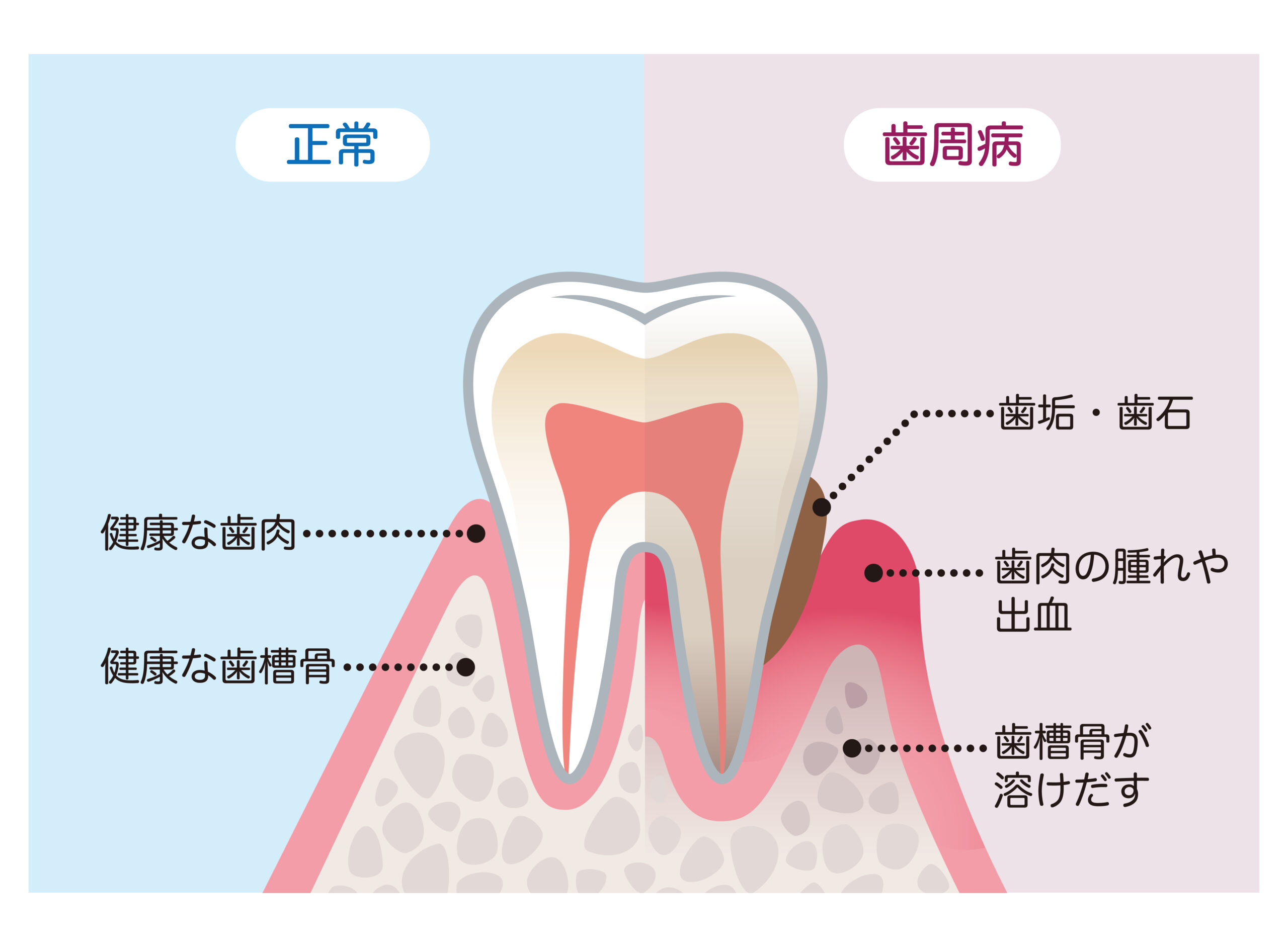
Periodontal disease is a condition in which inflammation occurs in the tissues that support the teeth (gums, periodontal ligament, alveolar bone, etc.). Because there are few noticeable symptoms in the early stages, it is also called a “silent disease.” As a result, it can progress without being noticed, and in severe cases, teeth may even fall out. According to a survey by the Ministry of Health, Labour and Welfare, about 80% of Japanese adults are affected, making it truly a widespread national health issue.

Stages of periodontal disease progression

Periodontal disease progresses through the following stages:

  1. Gingivitis: Inflammation occurs in the gums, causing redness and swelling, and making them more prone to bleeding. At this stage, improvement is possible with proper brushing and professional cleaning at a dental clinic.
  2. Mild periodontitis: Inflammation spreads beyond the gums to the bone that supports the teeth (alveolar bone). As a result, a groove called a “periodontal pocket” forms between the tooth and the gum, making plaque and tartar more likely to accumulate.
  3. Moderate Periodontitis: Periodontal pockets deepen and alveolar bone destruction progresses. Teeth may become loose, and pus may discharge from the gums.
  4. Severe Periodontitis: Most of the alveolar bone is destroyed, causing significant tooth loosening. Eventually, teeth may fall out.

The relationship between periodontal disease and systemic conditions

It is known that periodontal disease can negatively affect not only the mouth but also overall health. Specifically, associations have been noted with diabetes, heart disease, stroke, preterm birth, and low birth weight.

As described above, periodontal disease—known as a “silent disease”—has few noticeable symptoms in its early stages. That is why early detection and early treatment through regular dental checkups are extremely important.

Click here for information on regular checkups

Do You Have These Symptoms? | Periodontal Disease Self-Check

Periodontal Disease Self-Check

If even one of the following applies to you, periodontal disease may be a possibility. If you are concerned, please visit a dental clinic as soon as possible.

  • Bleeding gums when brushing
  • Red and swollen gums
  • Itchy or tingling gums
  • Loose teeth
  • Gaps developing between teeth
  • Teeth appear longer (receding gums)
  • Bad breath concerns
  • Sticky feeling in mouth upon waking
  • Difficulty chewing hard foods
  • Sensitivity to cold

Periodontal Disease Self-Check


If you have any of these symptoms, you may have periodontal disease. We recommend visiting a dental clinic as soon as possible.

Causes of Periodontal Disease | Reducing Risk Through Lifestyle Changes

Causes of Periodontal Disease

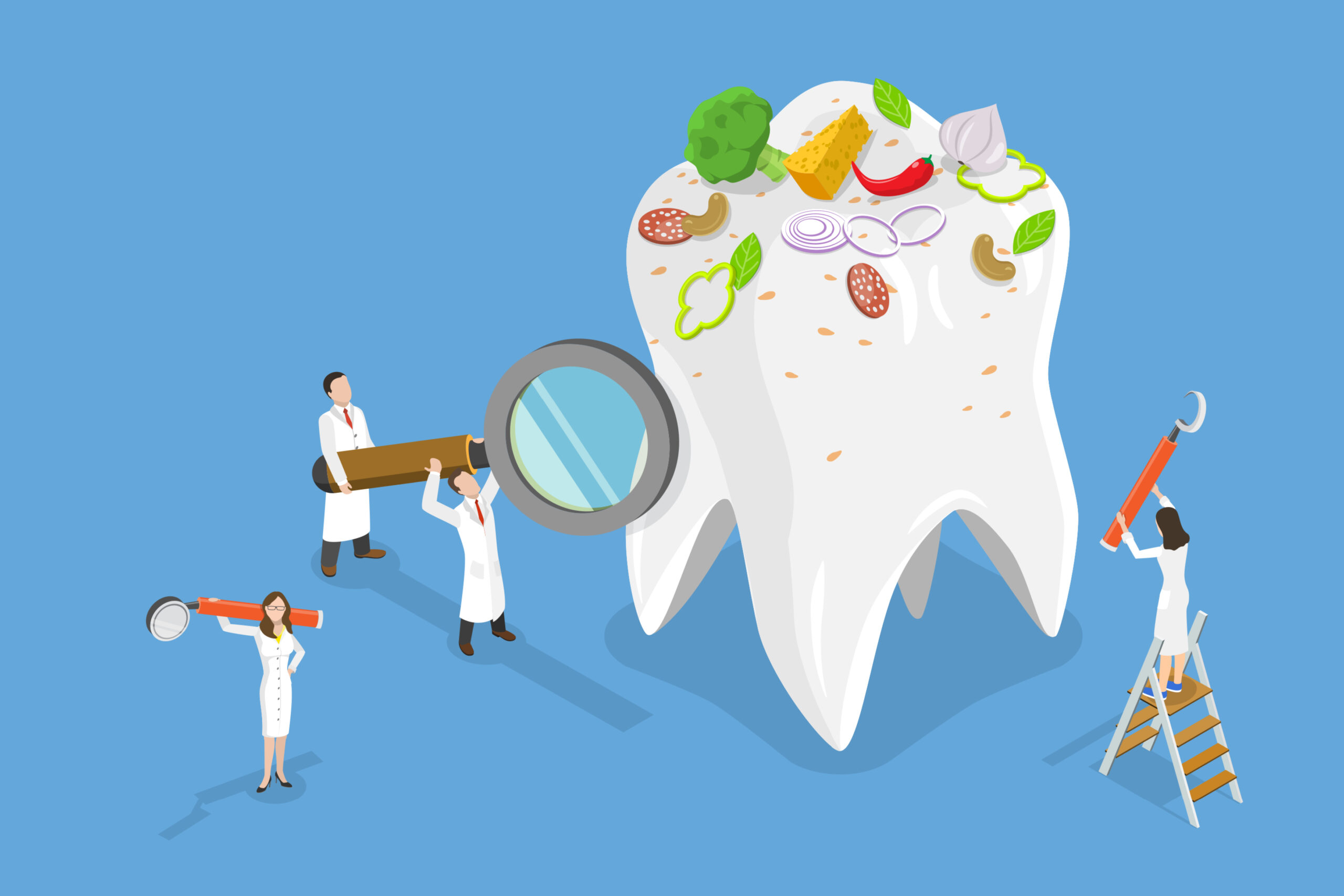
The main cause of periodontal disease is plaque (dental biofilm) that accumulates between the teeth and gums. Plaque is a mass of bacteria, and toxins produced by these bacteria cause inflammation in the gums. This is how periodontal disease progresses.

In addition, if plaque control (plaque removal) is insufficient, plaque hardens and becomes tartar. Because the surface of tartar is rough, plaque adheres even more easily, which can worsen periodontal disease.

In addition, the following factors can also increase the risk of periodontal disease.

Oral Environmental Factors

  • Tartar: Plaque that has calcified and firmly adheres to the tooth surface. Because its surface is rough, plaque adheres more easily, worsening periodontal disease.
  • Malocclusion: Poor tooth alignment makes brushing difficult and allows plaque to accumulate more easily.
  • Interproximal caries: Cavities between teeth tend to trap plaque, increasing the risk of periodontal disease.
  • Ill-fitting prostheses: If fillings or crowns do not fit properly, plaque is more likely to accumulate in the gaps.
  • Mouth breathing: It dries the mouth and reduces saliva’s self-cleansing effect, increasing the risk of periodontal disease.

Morphological Factors of Teeth and Mucosa

  • Tooth Shape: Certain tooth shapes can create areas difficult to brush, leading to plaque accumulation.
  • Gum Abnormalities: Abnormal gum shape can make plaque accumulation more likely and brushing more difficult.
  • Abnormal frenum position: If the frenum (the fold of tissue inside the lips or cheeks) is positioned abnormally, it can make brushing difficult.

Food and Drink Factors

  • Food Texture: Soft or sticky foods easily adhere to teeth and contribute to plaque formation.
  • Temperature of Food and Drinks: Extremely hot or cold items can irritate gums and worsen inflammation.

Deterioration of Oral Environment

  • Pocket Deepening: As periodontal disease progresses, periodontal pockets deepen, making plaque and tartar accumulation more likely.
  • Gingival recession: When the gums recede and the tooth root becomes exposed, the risk of tooth sensitivity and cavities increases.
  • Gum Hypertrophy: Swollen gums make plaque accumulation more likely.

Lack of Plaque Control Awareness and Practice

  • Not knowing or practicing proper brushing techniques
  • Not using supplementary cleaning tools like interdental brushes or dental floss
  • Not receiving regular dental check-ups

Bite-Related Impacts

  • Occlusal Trauma: Excessive force on specific teeth can damage periodontal tissues and worsen periodontal disease.
  • Teeth grinding: It can place excessive force on the teeth and periodontal tissues and may worsen periodontal disease.
  • Premature contact: When certain teeth make contact first, it places extra stress on specific teeth.
  • Oral habits: Habits that strain periodontal tissues—such as resting your chin on your hand or pushing teeth with the tongue—can increase risk.

Systemic Factors

  • Infectious Diseases: Infections can lower immunity and worsen periodontal disease.
  • Metabolic Diseases: Conditions like diabetes can worsen periodontal disease.
  • Endocrine Disorders: Hormonal imbalances increase periodontal disease risk.
  • Allergic Diseases: Allergic reactions can make gums more prone to inflammation.
  • Blood disorders: They increase the risk of gum bleeding and infection.
  • Nutritional disorders: Poor nutrition reduces the resistance of periodontal tissues.
  • Age: Periodontal disease risk increases with age.
  • Sex: In women, risk may increase due to hormonal changes such as pregnancy or menopause.
  • Stress: It can reduce immunity and may worsen periodontal disease.
  • Fatigue: Likewise, it can lead to reduced immunity.
  • Smoking: It is the greatest risk factor for periodontal disease.
  • Medications: Some medications (such as phenytoin, nifedipine, and cyclosporine) have side effects that can worsen periodontal disease.

There are various other causes as well. First, let us begin by understanding the condition of your mouth through a regular checkup.

Periodontal Disease Treatment Process

Progression of Periodontal Disease

At our clinic, we provide periodontal disease treatment in the following flow. We will explain each step in detail.

1. Consultation, Examination, and Diagnosis

First, we will carefully ask about the condition of your mouth, your concerns regarding periodontal disease, and your preferences. We will then perform the following examinations to accurately diagnose the stage of progression.

  • Basic Periodontal Examination:
    • Oral Examination: We examine your entire mouth, checking the condition of teeth, gums, and bite.
    • Periodontal tissue examination: Using an instrument called a probe, we measure the depth of periodontal pockets. We also check for gum inflammation and bleeding, as well as tooth mobility. In the “periodontal disease examination,” we comprehensively assess these results to determine the stage of progression.
    • Checking plaque accumulation: We will show you materials such as photographs and analyze areas that are difficult for you to brush. Depending on the situation, we may use a disclosing solution and provide brushing guidance tailored to you.
  • X-ray examination: We take X-rays to check the condition of the bone supporting the teeth (alveolar bone) and the shape of the tooth roots.
  • Intraoral photography: We take photos inside the mouth to record the condition before and after treatment. This also allows you to visually confirm the condition of your mouth.

Based on these examination results, we develop and clearly explain a personalized treatment plan for each patient.

2. Scaling (Tartar Removal)

Scaling is a treatment in which tartar and plaque adhering to the tooth surface are removed using a dedicated instrument called an ultrasonic scaler. Because tartar can harbor periodontal bacteria, removal through scaling is a fundamental part of periodontal treatment.

When using an ultrasonic scaler, our clinic also takes special care for patients with tooth sensitivity. If cold foods and drinks tend to bother you, please let us know without hesitation. We will adjust the power of the device or use hand scalers, as appropriate for your condition.

3. Periodontal Tissue Examination (Second Time)

After initial treatment such as scaling, we perform another periodontal tissue examination after a certain period (usually at least one week). In this examination, we confirm whether gum inflammation and periodontal pocket conditions have improved. Based on the results, we determine the next treatment plan.

4. Scaling and Root Planing (SRP)

If the second examination shows tartar attached deep under the gums or deep periodontal pockets (5 mm or more), we will perform SRP.

What is SRP?

SRP (scaling and root planing) is a treatment in which tartar and plaque attached to unseen areas beneath the gums (root surfaces), as well as contaminated cementum, are removed using specialized instruments. “Periodontal disease root planing” is an important treatment step for improving periodontal disease.

Because SRP is often performed under local anesthesia, you will feel little to no pain. In addition, we use fine instruments and may combine them with an ultrasonic scaler to reduce the burden on patients.

Number of SRP sessions and treatment duration

In general, when pockets are 5 mm or deeper, instruments cannot fully reach the area, and the success rate of tartar removal decreases. Also, depending on tooth anatomy, irregularities and grooves may reduce removal efficiency.

Therefore, at our clinic, we assess tooth anatomy through examinations and remove tartar as reliably as possible. Because delicate procedures are required and we proceed while monitoring improvements in gum condition, SRP often takes about 4 to 6 sessions.

The “periodontal disease treatment duration” varies depending on the severity of symptoms and the treatment method. However, please understand that if SRP is required, treatment will generally take a relatively long time.

5. Periodontal Tissue Examination (Third Time)

After SRP, we perform another periodontal tissue examination after a certain period (usually 4 to 6 weeks). Here, we confirm whether the periodontal condition has improved. Based on these results, we determine the subsequent treatment plan.

6. Periodontal Surgery (If Necessary)

Periodontal surgery is a surgical treatment performed when improvement cannot be expected with basic treatments such as SRP. At SACHI Dental Clinic, we will propose appropriate periodontal surgical treatment based on the condition of your mouth.

Main types of periodontal surgery include:

  • Periodontal Pocket Curettage: Surgery to remove infected tissue from periodontal pockets.
  • Flap surgery: The gums are incised to expose the root surfaces, and tartar, plaque, and infected tissue are thoroughly removed.
  • Periodontal tissue regeneration therapy: A treatment that promotes regeneration of lost periodontal tissues using special materials (such as Emdogain).

We will propose the most suitable treatment method in line with your preferences. If we determine that more specialized treatment is necessary, we may also refer you to an advanced medical institution such as a university hospital.

7. Regular Check-ups and Maintenance

After periodontal treatment is completed, or once symptoms have stabilized, we will transition to regular checkups and preventive dentistry. With ongoing maintenance, let us prevent recurrence and maintain a healthy oral condition.

Frequently Asked Questions (FAQ)

FAQ

Here, we answer frequently asked questions about periodontal disease.

Can Periodontal Disease Be Cured?

If appropriate treatment is provided early, periodontal disease can improve. However, periodontal tissues that have been lost cannot be completely restored to their original state. Therefore, it is important to stop progression through treatment and maintain a healthy condition. In addition, periodontal disease tends to recur, so regular maintenance is necessary even after treatment.

Is Periodontal Disease Treatment Painful?

Procedures such as tartar removal and cleaning inside periodontal pockets may involve some discomfort. However, at our clinic, we strive to minimize pain as much as possible by using topical anesthesia and an electric anesthetic device. If you are concerned, please feel free to let us know.

How Long Does Periodontal Disease Treatment Take?

The treatment period varies depending on the severity of symptoms and the treatment method. Mild periodontal disease may improve with a few visits. On the other hand, severe cases may take several months to over a year. At our clinic, we create a treatment plan tailored to each patient and explain it carefully.

How Much Does Periodontal Disease Treatment Cost?

Periodontal disease treatment is generally provided within the scope of insurance-covered care. However, some treatments, such as periodontal tissue regeneration therapy, are not covered by insurance. Details will be explained during your consultation. If you would like to know about “periodontal disease treatment costs” in advance, please contact us by phone.

How Can I Prevent Periodontal Disease?

To prevent periodontal disease, daily brushing is the most important step. In addition to a toothbrush, please use auxiliary cleaning tools such as interdental brushes and dental floss. This allows you to thoroughly remove plaque between teeth and inside periodontal pockets. It is also important to receive regular checkups at a dental clinic and professional care such as tartar removal and PMTC. For “periodontal disease prevention,” both self-care and professional care are essential.

What Else Can I Do Besides Brushing?

In addition to brushing, you can help prevent periodontal disease by paying attention to the following points.

  • Maintaining a balanced diet
  • Avoiding smoking
  • Managing stress
  • Getting adequate sleep
  • Properly managing systemic conditions like diabetes

In this way, reviewing your daily lifestyle habits also contributes to preventing periodontal disease.

SACHI歯科クリニックのロゴと院長
Director, SACHI Dental Clinic / 2016 Graduated from Nippon Dental University, School of Life Dentistry / 2017 Completed clinical training at Tokyo Medical and Dental University (currently: Tokyo University of Science), Faculty of Dentistry / 2025 Opened SACHI Dental Clinic

View Other Treatment Options

  • Treatment Menu

    Types of Ceramic Treatments and how to Choose
  • Treatment Menu

    Bite Alignment Treatment
  • Treatment Menu

    Wisdom Teeth
  • Treatment Menu

    Pediatric Dentistry
  • Treatment Menu

    Orthodontics, Mouthpiece Orthodontics, Pediatric Orthodontics
  • Treatment Menu

    Dental Check-ups and Preventive Dentistry
  • Treatment Menu

    Root Canal Treatment
  • Treatment Menu

    Whitening
  • Treatment Menu

    Cosmetic Dentistry