Orthodontics, Mouthpiece Orthodontics, Pediatric Orthodontics
Publication Date:
Last Updated:
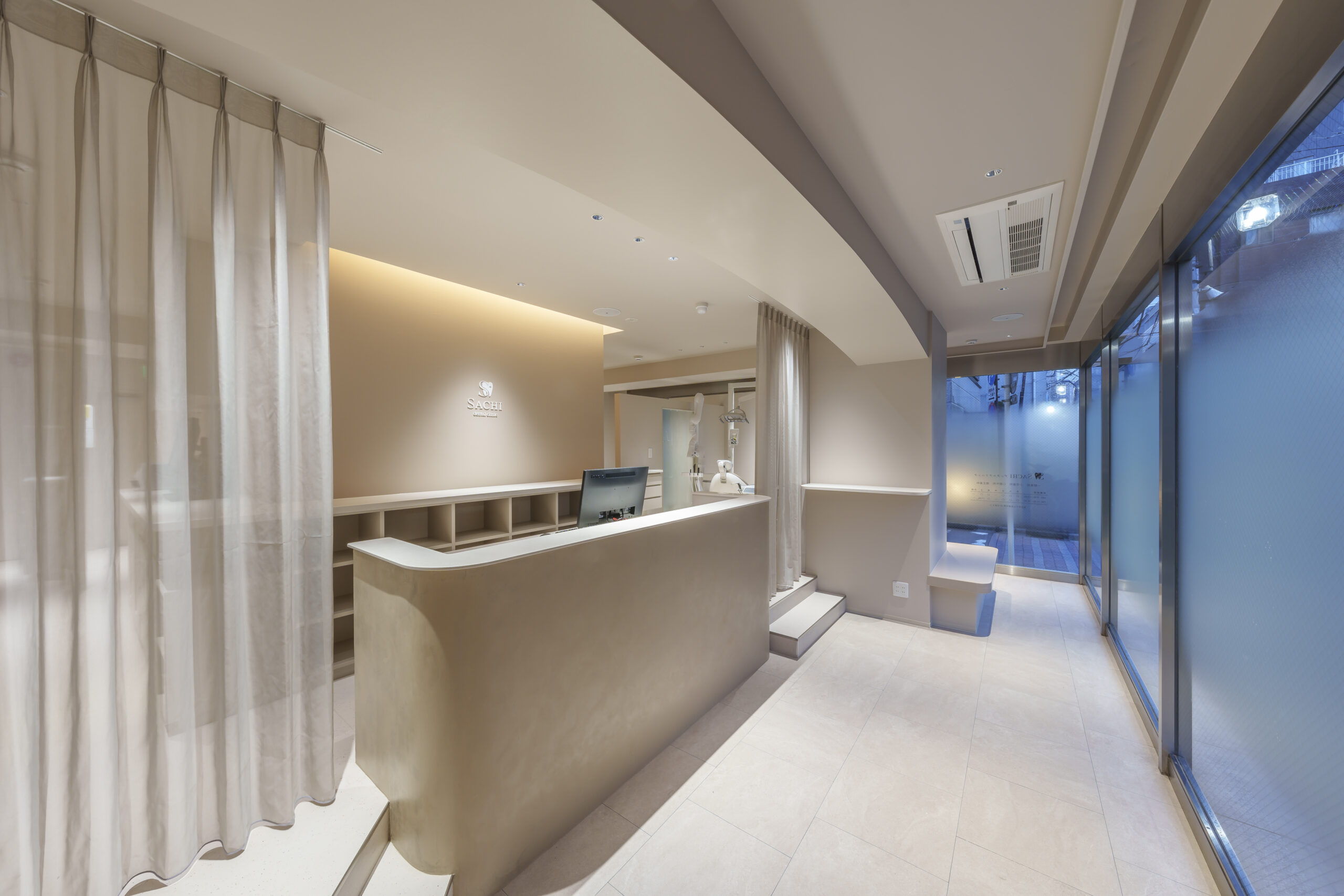
Want straighter teeth or a better bite? Concerns about your smile can affect not only how you feel about your appearance but also your overall health. At SACHI Dental Clinic in Shibakoen and Mita, an orthodontic specialist sees patients once a month. From a wide range of orthodontic options, we propose the treatment plan best suited to your lifestyle and wishes.
Choosing an Orthodontic Method That Fits Your Lifestyle
There are many methods of orthodontic treatment, each with its own advantages and disadvantages. We listen carefully to your wishes and choose the most suitable method together with you. Whether you would prefer something less noticeable, want to keep costs down, or hope to shorten the treatment period, please feel free to tell us.
Labial Orthodontics (Braces)
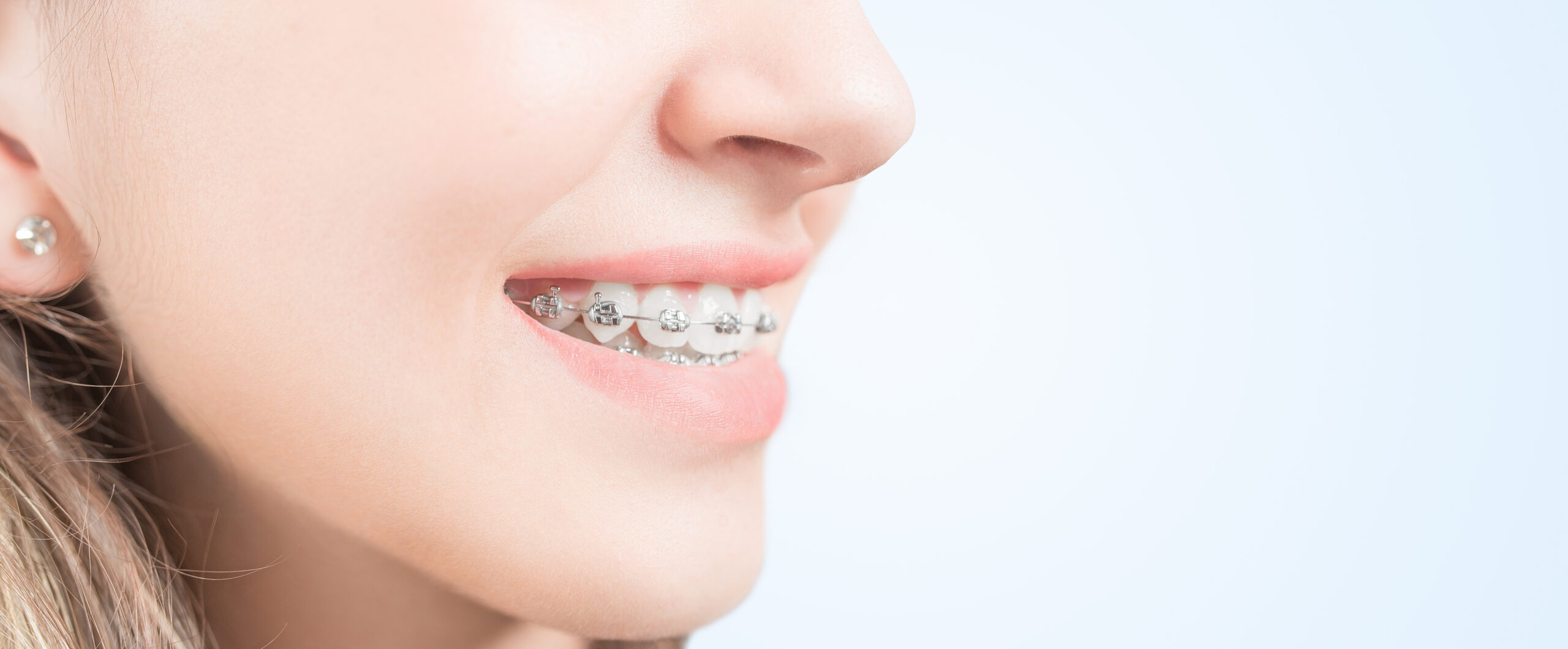
A long-established orthodontic treatment suitable for a wide range of cases
Braces (labial orthodontics) is a treatment in which devices called brackets are attached to the front surfaces of the teeth, and a wire is threaded through them to apply force and guide the teeth into their ideal positions. As the method with the longest history and track record, it can be used for a wide range of cases.
Advantages and Features
- Suitable for complex cases: Braces offer excellent control over the forces that move the teeth. This makes treatment possible even in cases requiring extractions or with severe crowding.
- No self-management required: Because the appliance is fixed, there is no need to manage wearing time as with clear aligner orthodontics. As a result, treatment tends to progress as planned.
- Options to make them less noticeable: For those who do not want visible appliances, we also offer white ceramic or plastic brackets that blend in with the color of the teeth. White wires are also available.
Clear Aligner Orthodontics
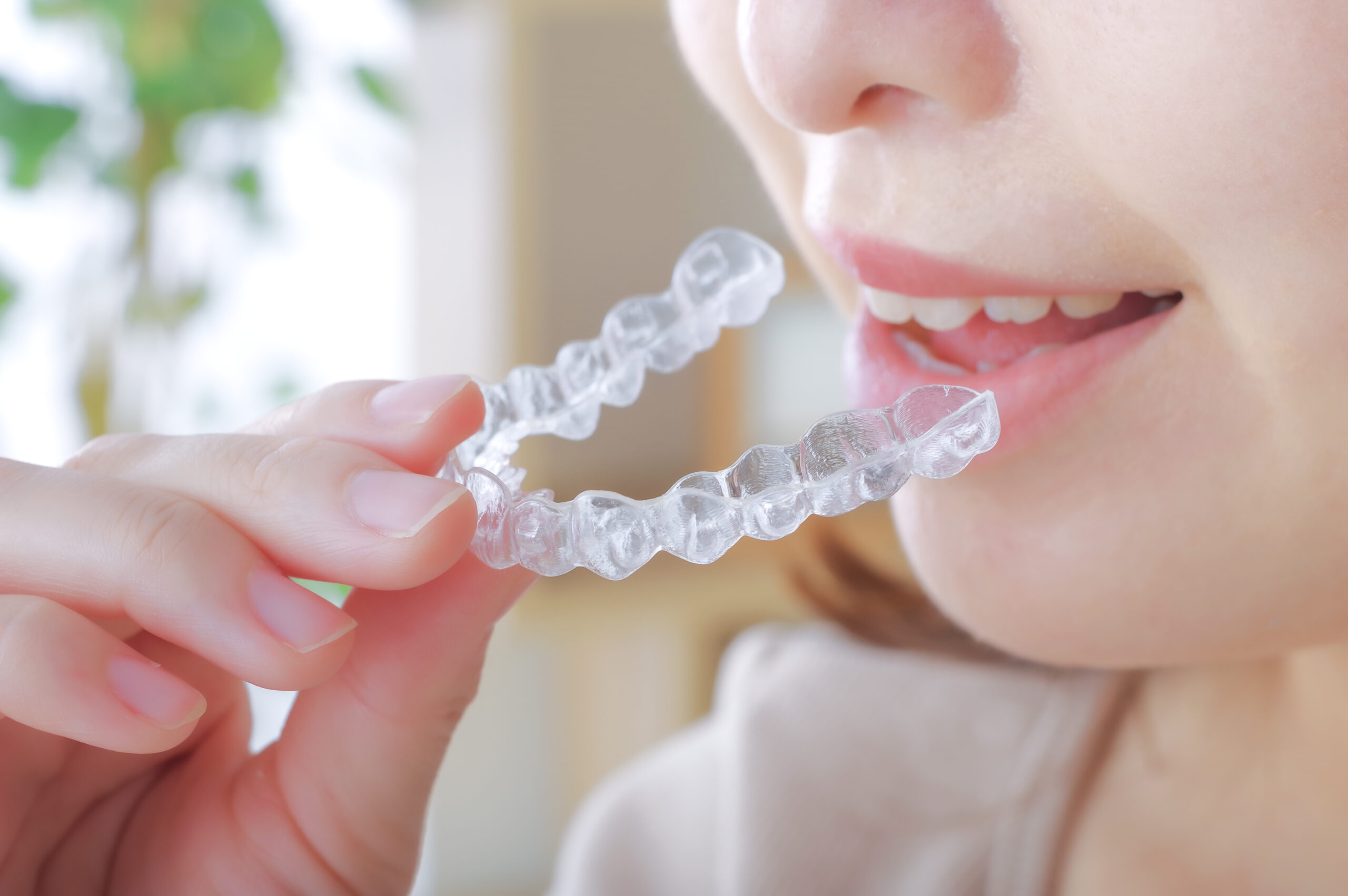
A newer, transparent, and discreet orthodontic option
Clear aligner orthodontics uses transparent, mouthpiece-type appliances made from digital data of your teeth and based on computer simulation. The teeth are moved little by little as the aligners are replaced in stages.
Advantages and Features
- Discreet: Made of thin, transparent plastic, the aligners are hardly noticeable to others even while you wear them. They are therefore recommended for people who work in customer-facing jobs or often appear in front of others.
- Removable: The aligners can be removed when eating or brushing. This means there are no dietary restrictions, and because you can keep your mouth clean, the risk of cavities and periodontal disease is also reduced.
- Digital simulation: You can view the movement of your teeth from the start to the end of treatment in 3D images beforehand. In other words, you can begin treatment with a clear picture of how your teeth will move.
Lingual Orthodontics (Behind-the-Teeth Braces)
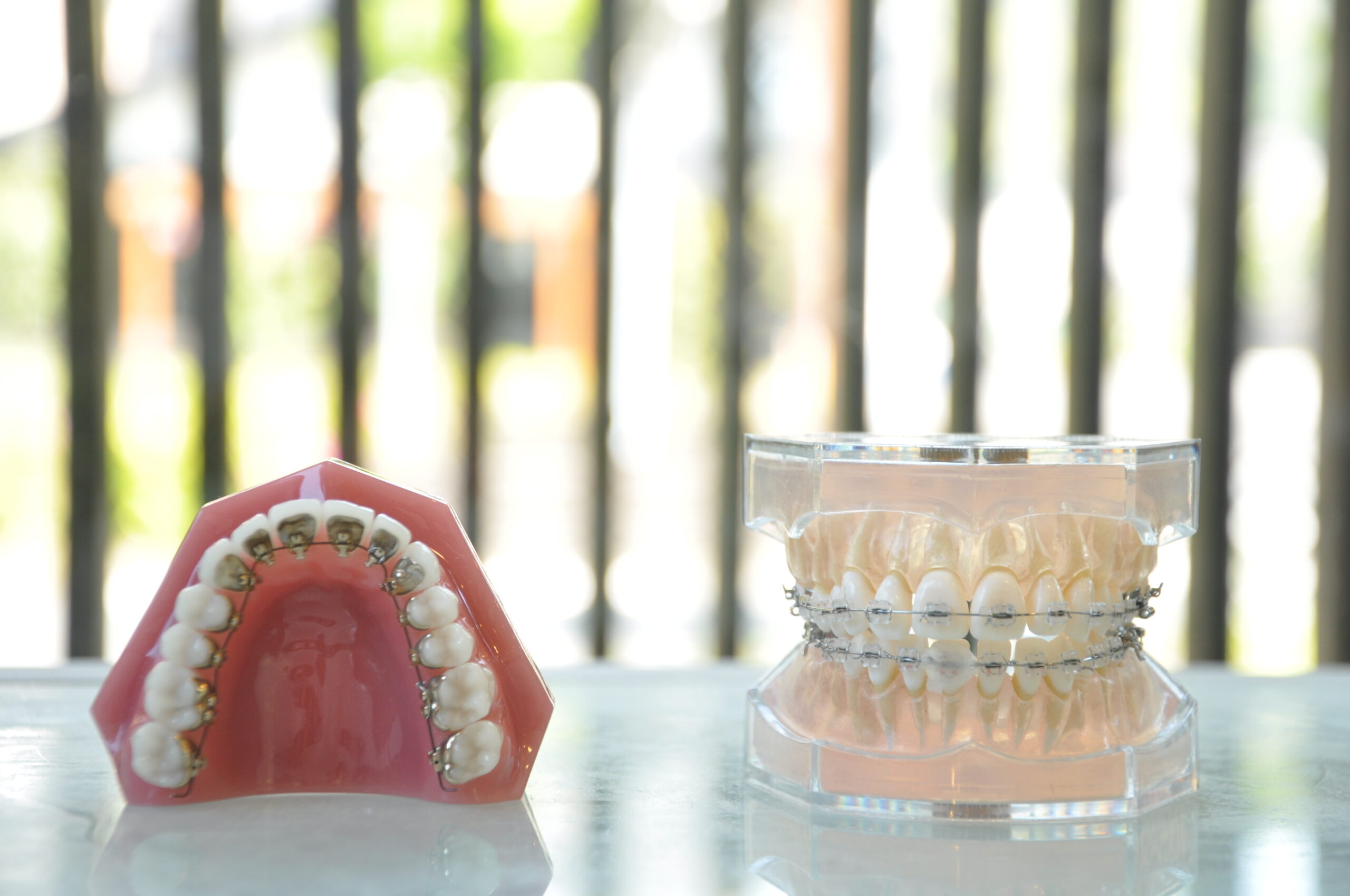
Straighten your teeth without others noticing
Lingual orthodontics is a treatment in which the brackets and wires are attached to the back (tongue side) of the teeth. Because the appliance cannot be seen even when you open your mouth, it is ideal for those who do not want others to know they are undergoing orthodontic treatment.
Advantages and Features
- Exceptional aesthetics: Because the appliance is behind the teeth, it is almost never noticed in daily life. For example, it offers peace of mind even if you have an important event such as a wedding coming up.
- The half-lingual option: Half-lingual orthodontics, in which the upper teeth are treated from the back (invisible) and the lower teeth from the front (with a less noticeable appliance), is also available. In this way, you can choose a flexible plan to suit your budget and preferences.
*In the early stages of wearing the appliance, your tongue may feel some discomfort and pronunciation may be more difficult. In most cases, however, you will get used to it within a few weeks.
MTM (Partial Orthodontics)
Pinpoint correction of the areas that concern you
MTM (Minor Tooth Movement) is partial orthodontic treatment that moves only a few teeth rather than changing the bite of the entire mouth.
Recommended For
- Those who want to close a small gap between the front teeth
- Those who want to correct just one tilted tooth
- Those who want to fix only the area that bothers them, in a shorter time and at a lower cost
- As preparation for prosthetic treatment: Before bridge or implant treatment, we correct the tilt of the teeth that will serve as the foundation. This enables more precise, longer-lasting treatment.
*Depending on your bite and tooth alignment, partial orthodontics may not be suitable. Please feel free to consult us first.
The Orthodontic Treatment Process
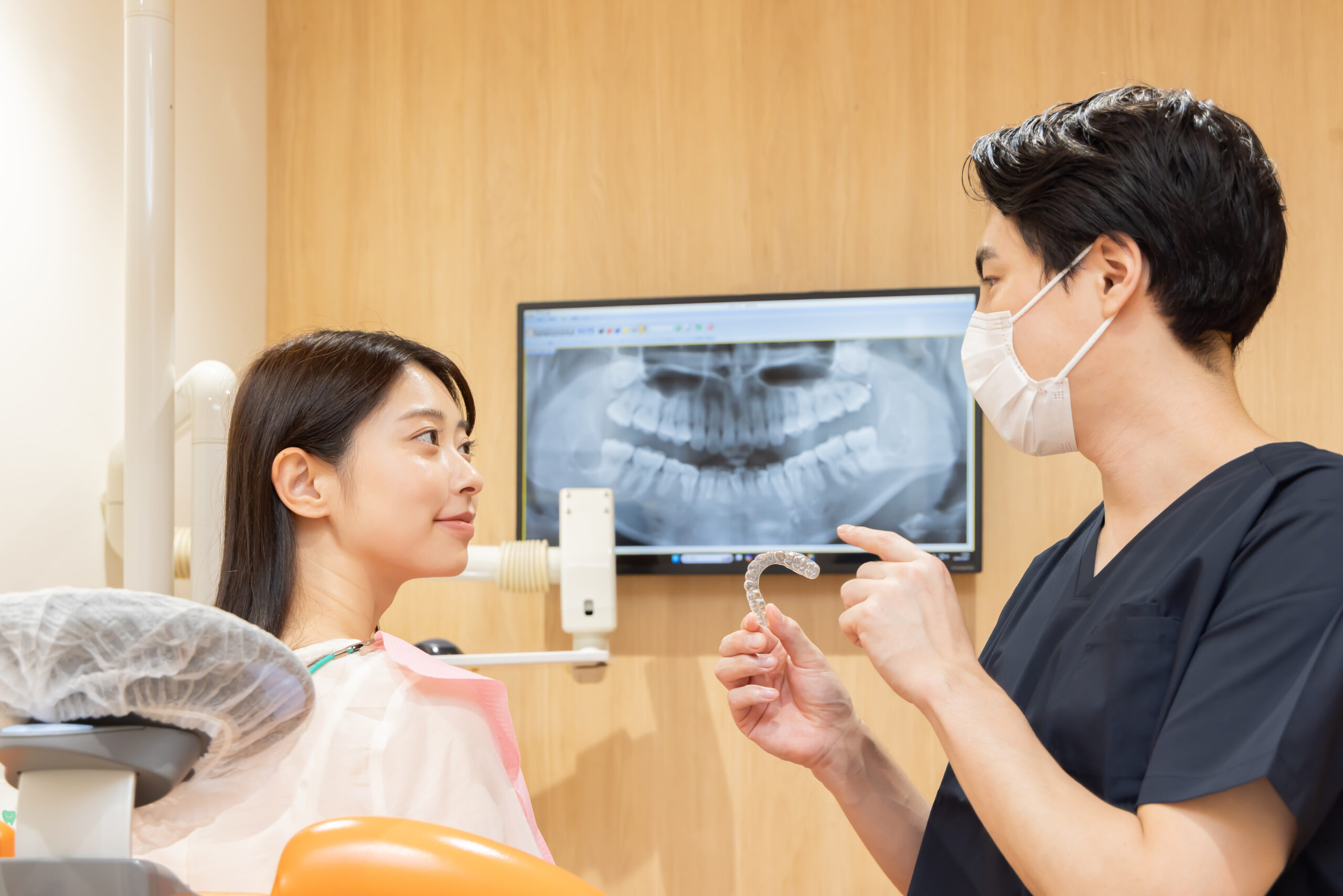
Orthodontic treatment takes a long time. That is why we provide thorough explanations and examinations so that patients can continue treatment with peace of mind. The treatment process is outlined below.
- Initial consultation (examination and counseling)
First, we examine your mouth to check for cavities and whether orthodontic treatment is possible. Consultations with the orthodontist are free of charge, so please feel free to ask any questions about costs or methods. - Detailed examination
Next, we take X-rays (panoramic and cephalometric), CT scans, and digital impressions with an intraoral scanner. We also take photographs of your face and mouth to collect the data needed for diagnosis. - Diagnosis and treatment plan
Based on the examination results, we explain in detail the most suitable treatment method, duration, and costs. We then decide on a plan you are satisfied with through discussion with you. - Placing the appliance and starting treatment
Once the plan is decided, we place the appliance and begin treatment. This marks the start of the active treatment period (approximately 2 to 3 years). - Visits and adjustments (about once a month)
You will visit about once a month so we can adjust the wires or check the fit of your aligners. We also clean your teeth during these visits. - Retention period (retainers)
After your teeth are aligned, you will wear a retention appliance (retainer) to prevent them from shifting back. We continue to monitor your progress regularly during this period.
*If you are planning a job transfer or a move
If your schedule is likely to change during treatment (due to a job transfer, studying abroad, moving, etc.), please let us know as early as possible. We will adjust the treatment plan as much as we can.
Pediatric Orthodontics (Phase I Treatment) | For Your Child’s Healthy Growth
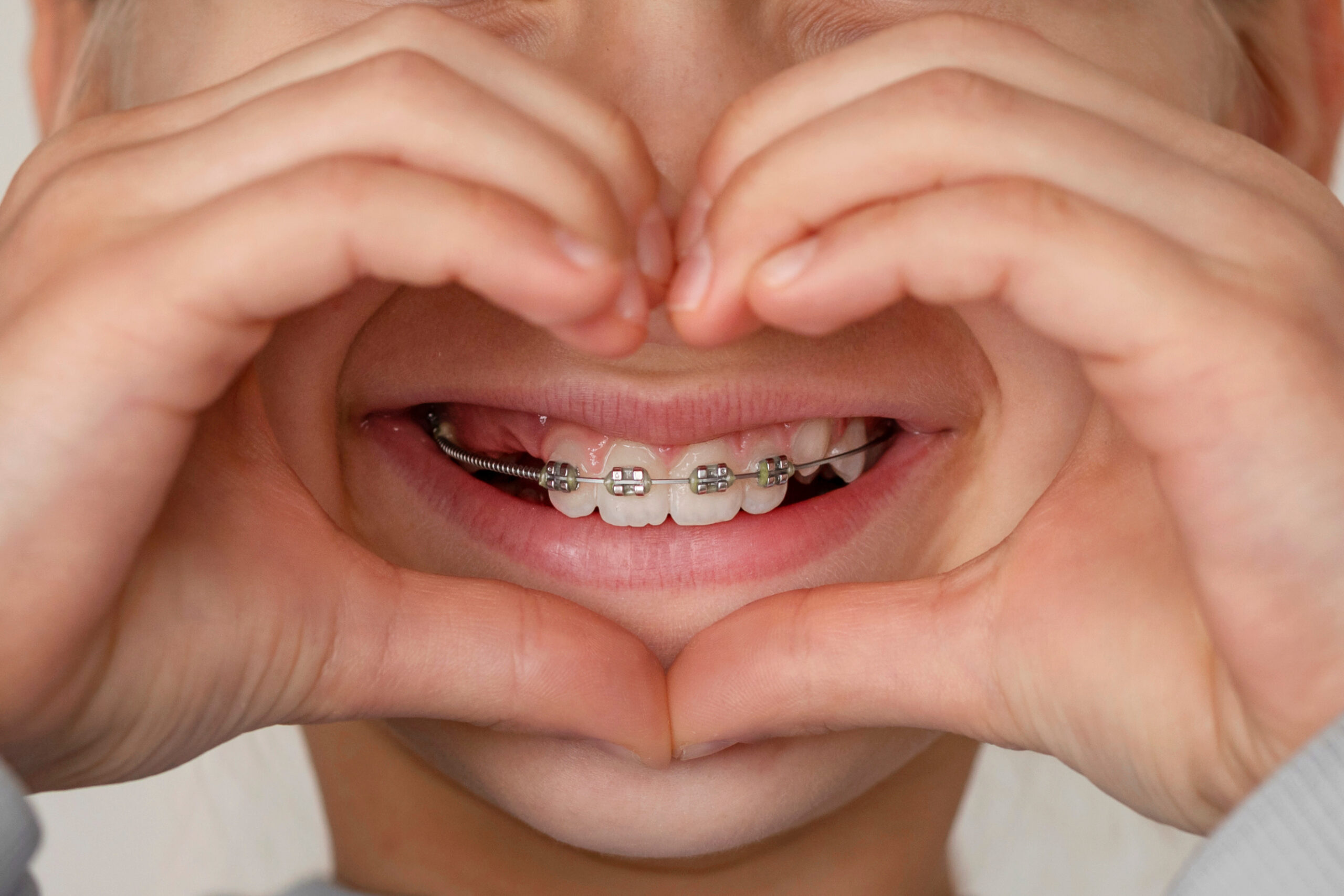
Building the Foundation, Starting Around Ages 6 to 12
Phase I treatment in pediatric orthodontics is performed during the period when baby teeth and permanent teeth are both present (the mixed dentition stage). While adult orthodontics focuses on moving the teeth, the main goal of pediatric orthodontics is to develop the foundation (the jaw) so that the permanent teeth can line up properly.
Because it makes use of your child’s natural growth, it can reduce the risk of needing extensive orthodontic treatment involving extractions in the future. In other words, starting early can lead to treatment that is less burdensome.
Why Do Children’s Teeth Become Misaligned?
One of the main causes of misaligned teeth is a lack of space in the jaw. If the jaw does not grow sufficiently, there is not enough room for the larger permanent teeth to come in. As a result, the teeth may overlap (crowding) or become crooked.
In addition to genetic factors, everyday habits (oral habits) also have a major influence on jaw growth and tooth alignment.
Does your child have any of these habits?
- Their mouth is always hanging open (mouth breathing)
- They push their tongue forward when swallowing
- They suck their thumb or bite their nails
- They rest their chin on their hand
These are not just habits; they can make tooth alignment worse. Mouth breathing in particular dries out the mouth and increases the risk of cavities and gingivitis. It can also affect overall health, for example by making it easier to take in viruses, so care is needed.
For these reasons, in addition to treatment with appliances, we also provide training of the muscles around the mouth (MFT) and guidance for correcting habits. Through this, we aim for healthy tooth alignment that does not relapse.
Frequently Asked Questions (FAQ)

Frequently Asked Questions
Here are answers to frequently asked questions about orthodontic treatment.
Does orthodontic treatment hurt?
When the appliance is first placed or just after an adjustment, you may feel some pain, as if your teeth were floating, or discomfort. However, this usually subsides within a few days to about a week. Clear aligner orthodontics is said to cause relatively little pain.
Can I get orthodontic treatment as an adult?
Yes, you can. As long as your teeth and gums are healthy, orthodontic treatment is possible regardless of age. In fact, more people have been starting treatment in their 40s and 50s in recent years.
How long does treatment take?
It depends on your tooth alignment and the treatment method. Comprehensive orthodontic treatment generally takes about 2 to 3 years. Partial orthodontics (MTM), on the other hand, may be completed in a few months to about a year.
Is tooth extraction always necessary?
Not necessarily. Based on the examination results, we may suggest extraction if there is not enough space in the jaw or if you wish to reduce protrusion of the mouth. However, we prioritize treatment plans that avoid extractions whenever possible.
Well-aligned teeth are a lifelong asset
Orthodontic treatment is not only about improving appearance. It also helps prevent cavities and periodontal disease and, by improving your bite, supports your overall health. If you have any concerns at all, such as “Can my teeth be straightened?” or “I’m worried about my child’s tooth alignment,” please consult SACHI Dental Clinic in Mita and Shibakoen.
Related Articles
About the Author: 中村 紗千子 SACHIKO NAKAMURA

View Other Treatment Options
Treatment Menu
Types of Ceramic Treatments and how to Choose
Treatment Menu
Bite Alignment Treatment
Treatment Menu
Wisdom Teeth
Treatment Menu
Pediatric Dentistry
Treatment Menu
Dental Check-ups and Preventive Dentistry
Treatment Menu
Root Canal Treatment
Treatment Menu
Periodontal Disease Treatment
Treatment Menu
Whitening
Treatment Menu
Cosmetic Dentistry